Trusted by 3L+ AspirantsTrusted by 3,00,000+ Aspirants
Daily Current AffairsFor UPSC Preparation
A structured way to stay consistent with Current Affairs, linked to GS concepts and daily practice
Latest Current Affairs
 •
•
 •
•
OCT22
Current Affair Blogs

Kashipur ASI Excavation: Govisana, Xuanzang and PGW
Oct, 2026
Centaurus X-3: X-Ray Pulsar, Accretion Disk and RRI Study
Oct, 2026
FSSAI Notices to Nestle and Zydus: Misleading Food Claims
Oct, 2026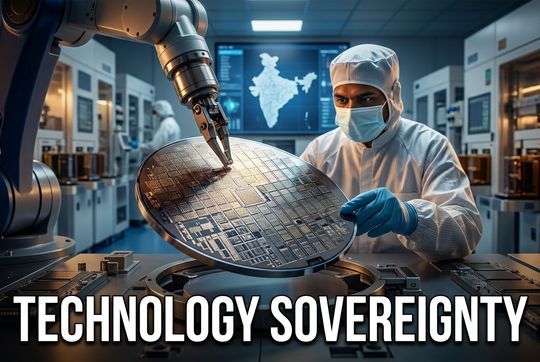
India's Foreign Technology Dependence: NavIC, Cloud and Tejas
Oct, 2026
Whale Strandings in Gujarat: Recording Gaps and Conservation
Oct, 2026
Badr MoU: Turkiye, Pakistan, Qatar and Indonesia Defence Pact
Oct, 2026


Frequently Asked Questions
Why should I follow SuperKalam Current Affairs instead of reading newspapers directly?
We analyze important articles from PIB, The Hindu, and Indian Express from a UPSC perspective. Instead of spending 2–3 hours identifying relevant news, you get only the exam-relevant content along with Prelims and Mains angles.
Will I miss any important UPSC news if I follow only these daily current affairs?
Our daily analysis covers all major issues relevant for UPSC preparation. Every topic is filtered, simplified, and linked with the syllabus so you can focus on what matters for the exam.
Are these current affairs useful for both Prelims and Mains?
Yes. Every important issue is covered from both perspectives:
• Linkage with GS subjects
• Key highlights of the news
• Detailed Insights
• Key concepts involved
• Linkage with GS subjects
• Key highlights of the news
• Detailed Insights
• Key concepts involved
Do you provide MCQs along with current affairs?
Yes. Every day comes with UPSC-style practice MCQs so that you can immediately test your understanding and improve retention.
Is this free to access?
Yes. You can read the daily current affairs analysis and stay updated with important UPSC-relevant developments regularly.

SuperKalam is your personal mentor for UPSC preparation, guiding you at every step of the exam journey.
Download the App


STUDY RESOURCES
CONTACT US
ⓒ Snapstack Technologies Private Limited