Species in the News: UPSC Prelims 2026 | Current Affairs
Species are distinct groups of organisms. Cover important species in the news, their IUCN status, habitats, and conservation status for UPSC Prelims 2026. Click now!
Jul, 2026
•6 min read
In recent years, Species in the News has emerged as one of the most reliable and high-yield areas of UPSC Prelims (Environment & Ecology). Almost every Prelims paper includes 2–3 questions directly or indirectly related to species that appeared in the news.
For UPSC Prelims 2026, the relevance of species in the news UPSC becomes even stronger because:
- India is actively pursuing wildlife reintroduction and conservation projects.
- Climate change and habitat loss are bringing lesser-known species into the spotlight.
- UPSC increasingly asks statement-based and match-the-following questions on species.
Let's cover all the important species in the news for UPSC Prelims 2026.
What is a Species?
In biology, a species is defined as a group of organisms that can interbreed naturally and produce fertile offspring.
Species in India: Key Facts
India is one of the world’s mega-diverse countries, with a rich array of flora and fauna found across varied ecosystems, from the Himalayas to the coastal wetlands and deserts to tropical forests. India harbours an enormous variety of wildlife species, including mammals, birds, reptiles, amphibians, fish, insects, and plants.
This biodiversity is monitored and documented by government agencies like the Zoological Survey of India (ZSI) and the Ministry of Environment, Forest and Climate Change (MoEFCC).
- India is home to over 28,000 endemic species (cannot be found elsewhere).
- India is one of the most biodiverse countries in the world, despite covering only 2.4% of the Earth's land area.
- It is home to 7-8% of all known species, including over 45,000 types of plants and 91,000 types of animals.
- The country’s varied landscapes and climate have created diverse ecosystems, including forests, wetlands, grasslands, deserts, and coastal and marine habitats.
- India also has 4 of the world’s 34 major biodiversity hotspots—the Himalayas, the Western Ghats, the Northeast region, and the Nicobar Islands.
- India is a global leader in tiger conservation, with the tiger population rising to 3,682 (range 3,167-3,925) as per the All India Tiger Estimation 2022.
Must cover: National Parks in India for UPSC: Complete List and Key Facts
Species in the News 2025–26: (India & World)
The following table presents a list of species in the news during 2025–26, from India and across the world, based on their relevance to UPSC Prelims Environment and current affairs questions.
| No. | Species | Scientific Name | Habitat / Region | IUCN Status | Why in News |
|---|---|---|---|---|---|
| 1. | Cheetah | Acinonyx jubatus | Grasslands (India, Africa) | Vulnerable | Project Cheetah expansion & new translocations |
| 2. | Snow Leopard | Panthera uncia | Himalayas | Vulnerable | Population recovery efforts |
| 3. | Red Panda | Ailurus fulgens | Eastern Himalayas | Endangered | Conservation breeding & habitat protection |
| 4. | Gharial | Gavialis gangeticus | River systems (India) | Critically Endangered | Population recovery efforts |
| 5. | Great Indian Bustard | Ardeotis nigriceps | Arid grasslands | Critically Endangered | Power line mitigation & breeding centres |
| 6. | Dugong | Dugong dugon | Coastal waters | Vulnerable | India’s Dugong Conservation Reserve |
| 7. | Olive Ridley Turtle | Lepidochelys olivacea | Indian Ocean | Vulnerable | Mass nesting (Arribada) season |
| 8. | Nilgiri Tahr | Nilgiritragus hylocrius | Western Ghats | Endangered | Population estimation & conservation drive |
| 9. | Manipur Bush Quail | Perdicula manipurensis | Northeast India | Critically Endangered | Rediscovery after decades |
| 10. | African Penguin | Spheniscus demersus | Southern Africa | Endangered | Declining population & climate impact |
| 11. | Vaquita | Phocoena sinus | Gulf of California | Critically Endangered | World’s rarest marine mammal |
| 12. | Saola | Pseudoryx nghetinhensis | Annamite Range | Critically Endangered | Called “Asian Unicorn” |
| 13. | Indian Pangolin | Manis crassicaudata | Indian subcontinent | Endangered | Anti-poaching & illegal trade concerns |
| 14. | Gangetic Dolphin | Platanista gangetica | Ganga-Brahmaputra | Endangered | National Aquatic Animal conservation |
| 15. | Indian Star Tortoise | Geochelone elegans | Dry regions of India | Vulnerable | CITES-linked wildlife trafficking |
| 16. | Hippopotamus | Hippopotamus amphibius | African rivers | Vulnerable | Zoo-related animal welfare news |
UPSC Prelims PYQs on Species in News
QUESTION 1
If you want to see gharials in their natural habitat, which one of the following is the best place to visit?
Important Indian Species in the News
Here are the key Indian species that were in the news due to conservation efforts, policy interventions, or ecological significance. Let's cover these species in detail!
1. Great Indian Bustard (GIB)
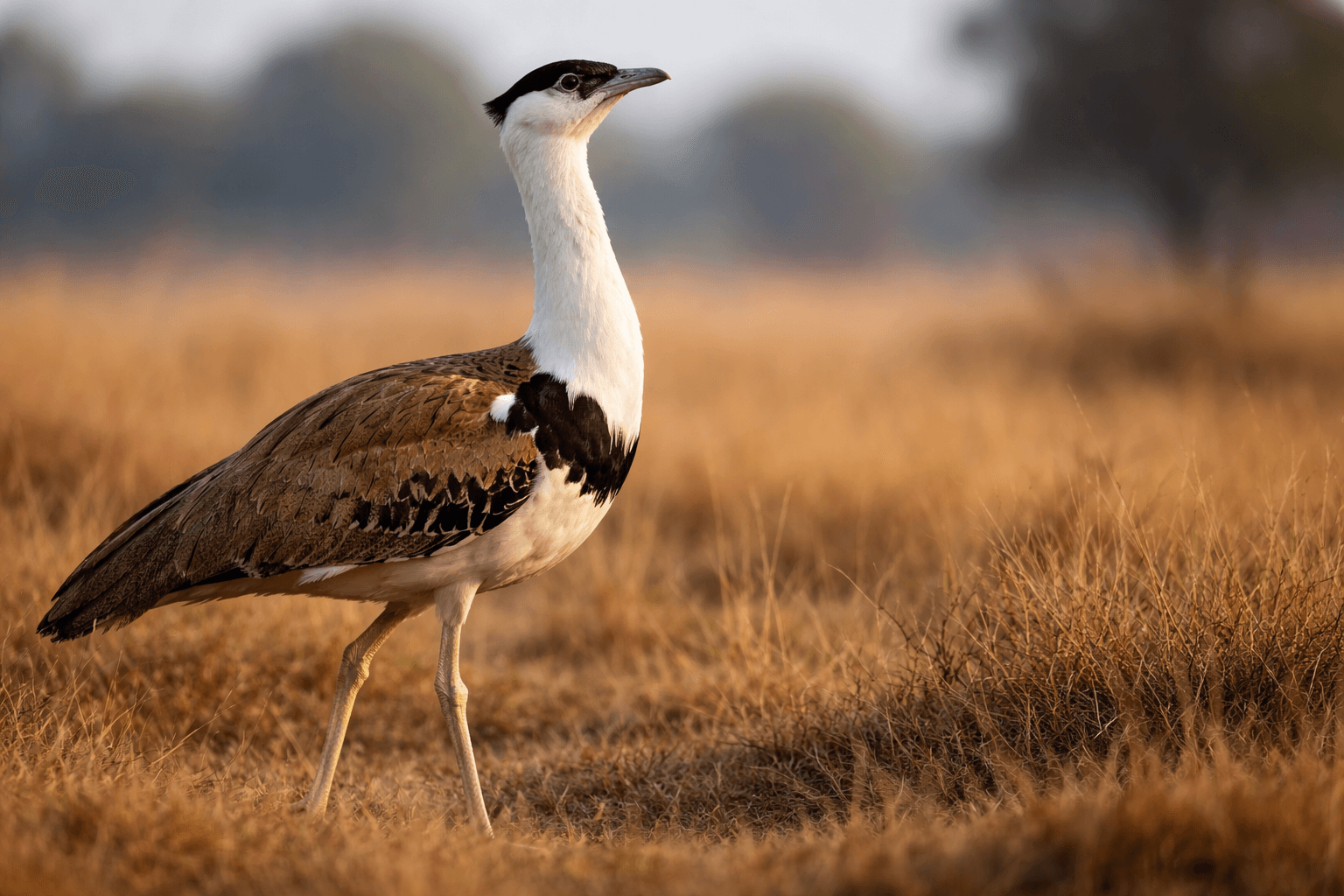
The Great Indian Bustard (GIB) is one of India’s most critically endangered bird species and a flagship species of arid and semi-arid grassland ecosystems. It is endemic to the Indian subcontinent and is primarily found in Rajasthan, Gujarat, Maharashtra, Karnataka, and Andhra Pradesh, with the largest surviving population in Desert National Park, Rajasthan.
Key Threats
- Overhead power transmission lines (leading cause of mortality due to bird collisions)
- Habitat loss and fragmentation of grasslands
- Low reproductive rate (lays only one egg per year)
- Disturbance from infrastructure development
Conservation Status & Protection
| Parameter | Details |
|---|---|
| Scientific Name | Ardeotis nigriceps |
| IUCN Status | Critically Endangered |
| Wildlife Protection Act, 1972 | Schedule I |
| CITES | Appendix I |
| Conservation Initiative | Species Recovery Programme |
2. Gangetic River Dolphin
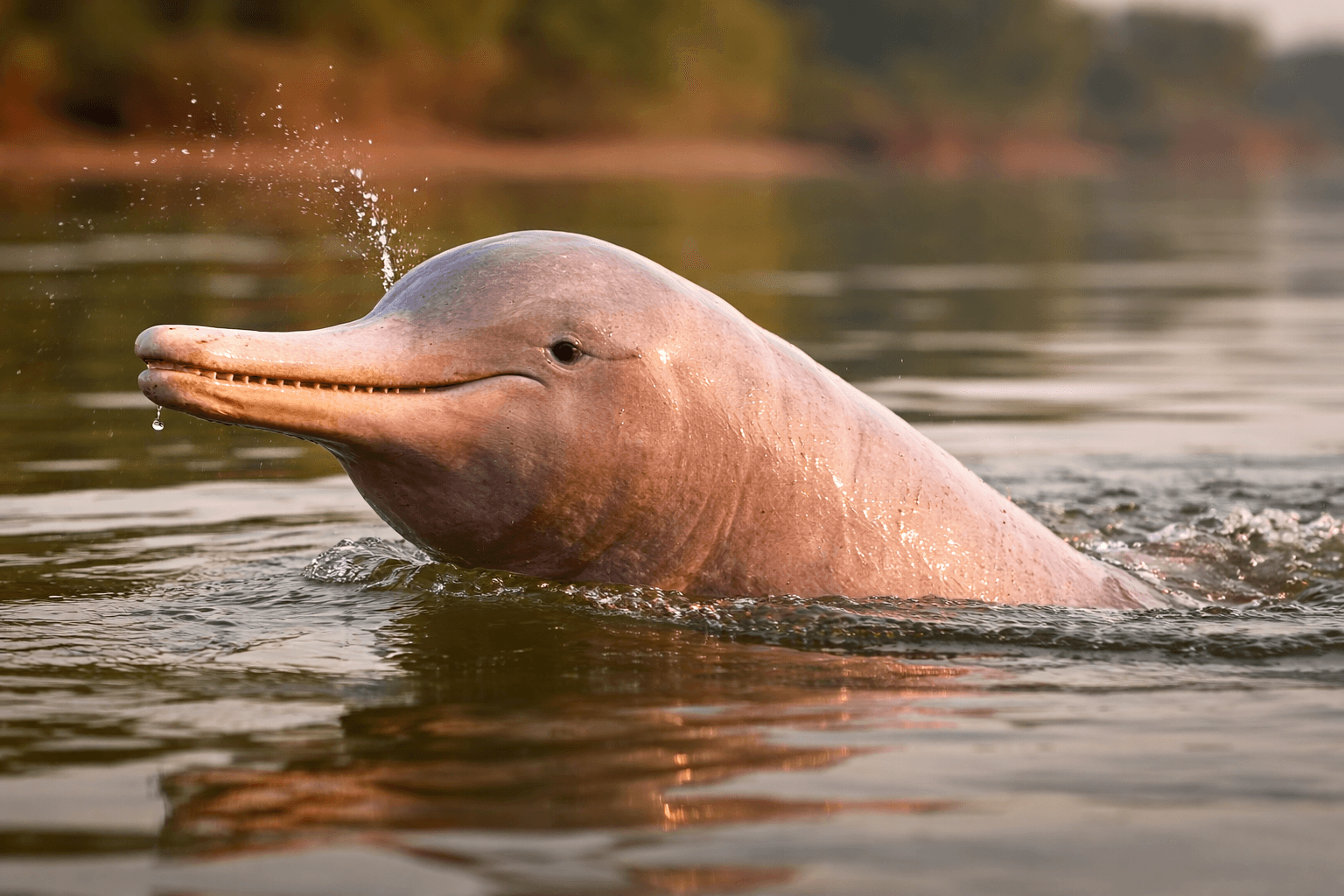
The Gangetic River Dolphin is a freshwater cetacean native to the Ganga–Brahmaputra–Meghna river system and is an indicator species of river ecosystem health. Its presence reflects adequate water flow, prey availability, and low pollution levels.
Ecological Importance
- Top predator in riverine food chains
- Indicator of freshwater ecosystem integrity
- Sensitive to noise pollution and chemical contamination
Unique Features
- Almost blind; uses echolocation for navigation
- Lives exclusively in freshwater
- One of the few river dolphins globally
Conservation Status & Protection
| Parameter | Details |
|---|---|
| Scientific Name | Platanista gangetica |
| IUCN Status | Endangered |
| Wildlife Protection Act, 1972 | Schedule I |
| National Status | India’s National Aquatic Animal |
| Conservation Initiative | Project Dolphin |
3. Dugong
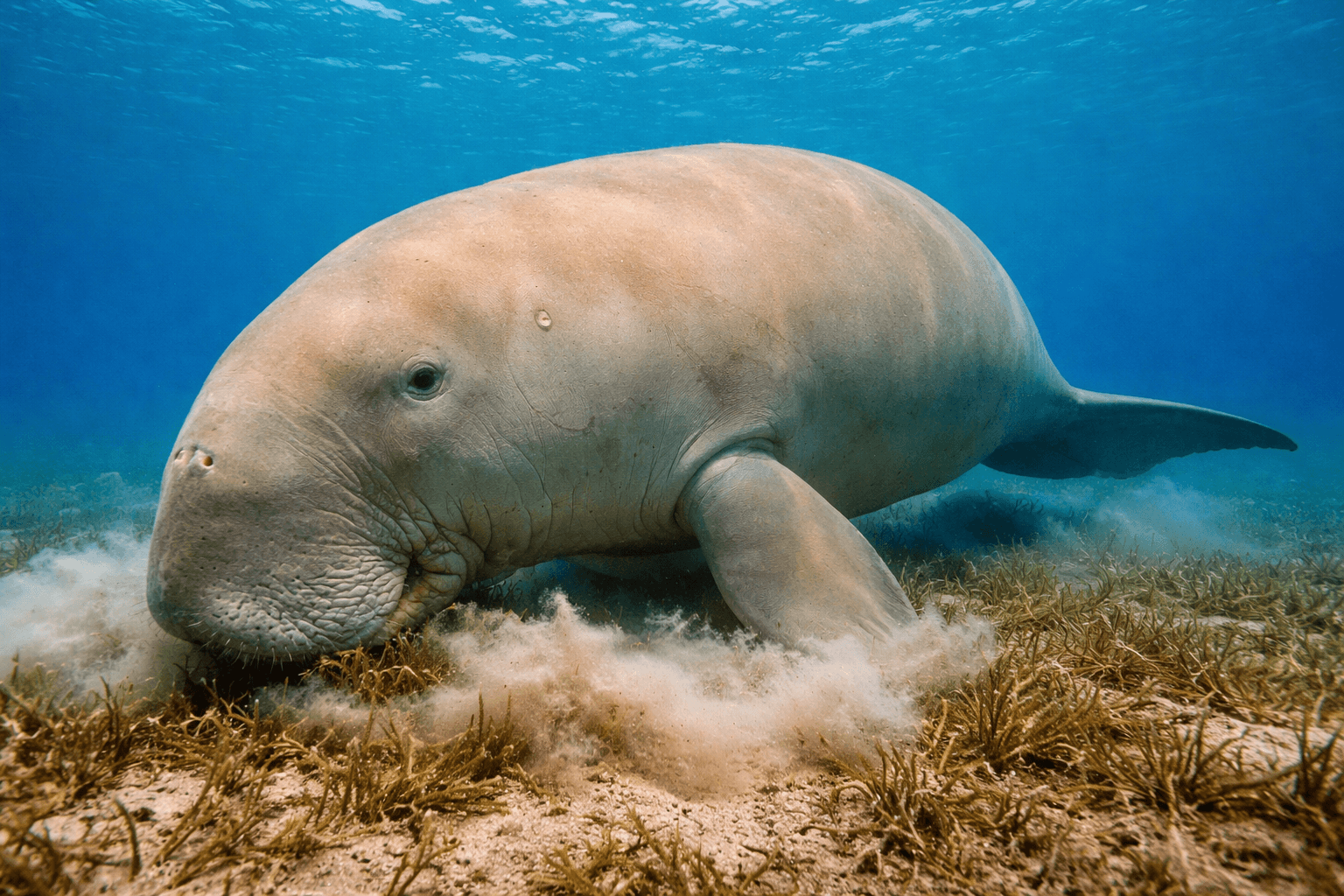
The Dugong, also known as the Sea Cow, is a herbivorous marine mammal that feeds primarily on seagrass meadows. In India, dugongs are found in the Gulf of Mannar, Palk Bay, Gulf of Kutch, and the Andaman & Nicobar Islands.
Ecological Significance
- Maintains seagrass health by grazing
- Acts as an indicator of healthy coastal ecosystems
- Seagrass meadows support fisheries and carbon sequestration
Major Threats
- Habitat loss due to coastal development
- Fishing net entanglement
- Boat strikes
- Pollution and seagrass degradation
Conservation Status & Protection
| Parameter | Details |
|---|---|
| Scientific Name | Dugong dugon |
| IUCN Status | Vulnerable |
| Wildlife Protection Act, 1972 | Schedule I |
| CITES | Appendix I |
| Conservation Initiative | Dugong Conservation Reserve |
Must cover: IUCN List-Endangered Species & Red Data Book for UPSC Preparation
UPSC Prelims PYQs on Species in News
QUESTION 1
According to the Wildlife (Protection) Act, 1972, which of the following animals cannot be hunted by any person except under some provisions provided by law?
- Gharial
- Indian wild ass
- Wild Buffalo
Select the correct answer using the code given below:
Conclusion
Species in the News is a high-return scoring area in UPSC Prelims. A structured approach by focusing on habitat, conservation status, and relevance can help aspirants confidently tackle environmental questions. Regular revision of such consolidated lists can significantly boost accuracy and speed in the UPSC Prelims 2026.
Also cover: List of Major Dams of India for UPSC: Oldest, Longest & Highest Dams in India
Start your UPSC Preparation 2026/2027 with SuperKalam
SuperKalam is your personal mentor for UPSC preparation, guiding you at every step of the exam journey. Practice, revise, and evaluate– all in one place.
Download Now