Chemical Signatures: How Biomarkers Detect Disease Years Before Symptoms
While blood biomarkers offer non-invasive early detection for dementia, India faces steep ethical and economic hurdles in bridging testing with therapy.
Oct, 2026
•11 min read
Overview
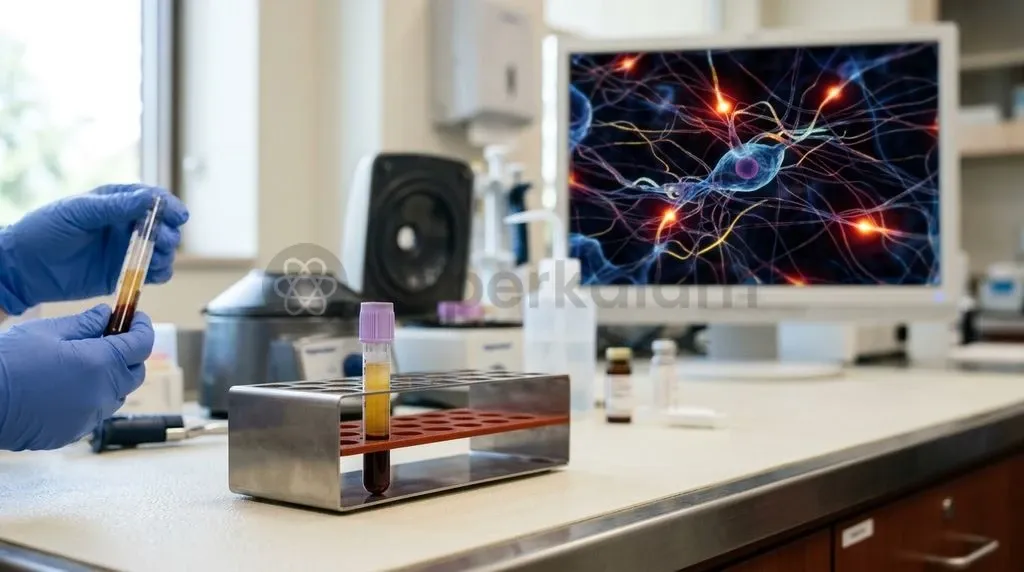
Blood-based biomarkers like phosphorylated tau 217 and neurofilament light chain are revolutionising clinical neurology by offering accurate, non-invasive detection of Alzheimer's pathology and neuroaxonal damage years before overt clinical cognitive impairment appears. Recent clinical validations demonstrate that peripheral blood assays can match the diagnostic precision of costly positron emission tomography and invasive lumbar punctures. However, for developing health systems like India, these diagnostic advances create a profound tension between early detection capabilities and the stark reality of inaccessible, high-cost therapies. Navigating this technological shift requires balancing screening technologies with public health infrastructure and bioethical safeguards.
Why in the News: The Move Toward Early Blood Tests for Brain Health
Modern clinical neurology is pivoting towards non-invasive blood assays to diagnose neurodegenerative disorders long before severe cognitive or motor decline becomes irreversible. As of October 2026, clinical consensus highlights the capacity of blood biomarkers to detect neurodegenerative pathology up to 15 to 20 years before symptom onset, according to a JAMA Viewpoint on ethical biomarker testing.
This diagnostic transition carries profound implications for global healthcare systems. Historically, confirming diseases like Alzheimer's or Parkinson's required post-mortem brain autopsies, expensive nuclear imaging, or painful spinal taps. The emergence of blood tests marks a structural diagnostic shift, moving brain health from late-stage symptomatic management to early molecular triaging.
Discuss with Superkalam
Which structural axonal protein acts as a universal serum indicator of ongoing neuroaxonal damage across diverse neurological conditions?
Ask NowWhat Are Neurological Biomarkers and Why Do We Need Them?
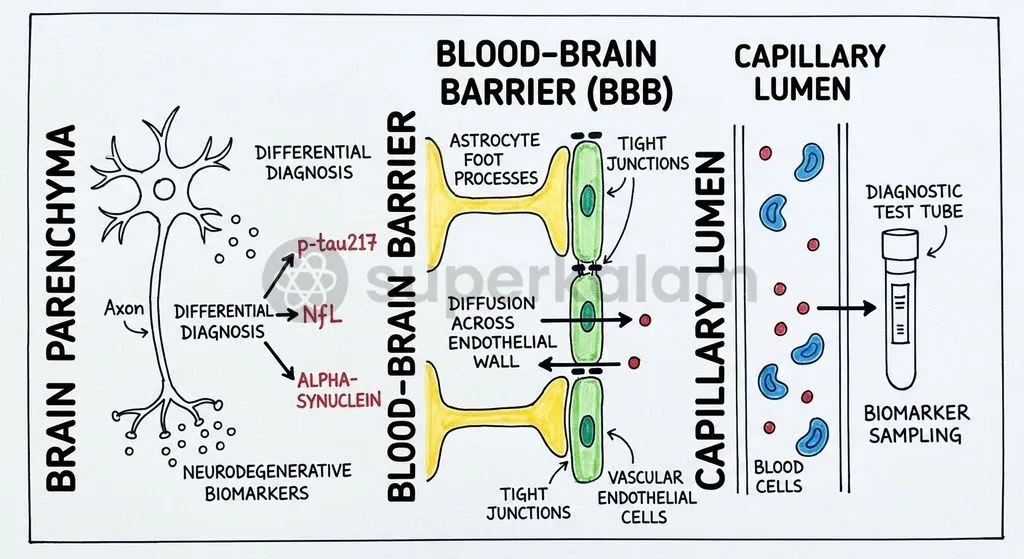
Neurological biomarkers are measurable biological substances in body fluids or tissues that indicate normal physiological processes, pathogenic conditions, or responses to therapeutic interventions. Because the human brain is shielded by the blood-brain barrier and encased in the cranium, clinicians cannot easily obtain direct tissue biopsies from living patients.
Clinicians have historically relied on cognitive assessments, memory questionnaires, and motor function evaluations. These traditional methods only detect disorders after extensive irreversible neuronal death has already occurred. Biomarkers circumvent this limitation by tracking microscopic cellular changes in real time.
Peripheral blood testing offers significant operational advantages:
- Scalable screening: Phlebotomy can be performed at standard primary healthcare clinics without specialised nuclear medicine equipment.
- Dynamic tracking: Serial blood draws allow physicians to measure biochemical responses to experimental drugs over months or years.
- Differential triage: Distinguishing between different forms of dementia ensures that patients receive the correct targeted therapies rather than broad symptomatic sedatives.
Breaking Down Key Markers: p-tau217, NfL, and Alpha-Synuclein
Peripheral blood biomarkers isolate distinct molecular signatures corresponding to tau pathology, axonal breakdown, and synuclein aggregation across distinct neurodegenerative pathways. Each marker reflects a unique pathological mechanism within the central nervous system.
Plasma phosphorylated tau 217 (p-tau217) serves as an ultrasensitive indicator of Alzheimer's disease pathology. According to a JAMA Neurology cohort study, this marker specifically identifies hyperphosphorylated tau tangles and amyloid-beta plaque accumulation in brain tissue. A landmark JAMA study across multinational cohorts established that commercial plasma p-tau217 immunoassays demonstrate diagnostic accuracies exceeding 90% to 95% in distinguishing Alzheimer's disease from other conditions, mirroring the accuracy of amyloid positron emission tomography.
Neurofilament light chain (NfL) functions as a universal signature of neuronal destruction. Research in Lancet Neurology explains that NfL is a primary structural scaffolding protein of myelinated axons, and its presence in serum indicates ongoing neuroaxonal damage regardless of the underlying cause. Multicentre validation trials published in The Lancet Neurology demonstrate that serum NfL levels dynamically track disease progression, neurodegeneration rates, and drug responses in conditions including amyotrophic lateral sclerosis, multiple sclerosis, frontotemporal dementia, and acute stroke.
Pathological aggregation of misfolded alpha-synuclein proteins into insoluble intracellular Lewy bodies represents the molecular hallmark of Parkinson's disease, multiple system atrophy, and Lewy body dementia. The Lancet Neurology reported that the alpha-synuclein seed amplification assay (αSyn-SAA), which utilises real-time quaking-induced conversion techniques, detects minuscule pathological aggregates with 87.7% sensitivity and 96.3% specificity in Parkinson's cohorts.
Autoimmune encephalitis presents an important diagnostic contrast to chronic neurodegeneration. Consensus criteria published in The Lancet Neurology define autoimmune encephalitis as an acute or subacute inflammatory brain disorder provoked by pathogenic autoantibodies targeting neuronal surface antigens like the NMDA receptor, LGI1, or CASPR2. A clinical review in The Lancet Neurology noted that definitive diagnosis of anti-NMDA receptor encephalitis requires testing paired cerebrospinal fluid and serum samples, because cerebrospinal fluid antibody detection exhibits significantly higher sensitivity and fewer false positives.
Clinical reports from the Madras Medical College highlight that while neurodegenerative disorders cause permanent cell death, antibody-mediated autoimmune encephalitis is often highly reversible when identified early and managed with immunotherapies like corticosteroids, intravenous immunoglobulin, and rituximab.
Discuss with Superkalam
How does peripheral blood testing overcome the diagnostic challenges historically posed by the cranium and blood-brain barrier?
Ask NowHow Monoclonal Antibodies Work with Biomarker-Based Therapies
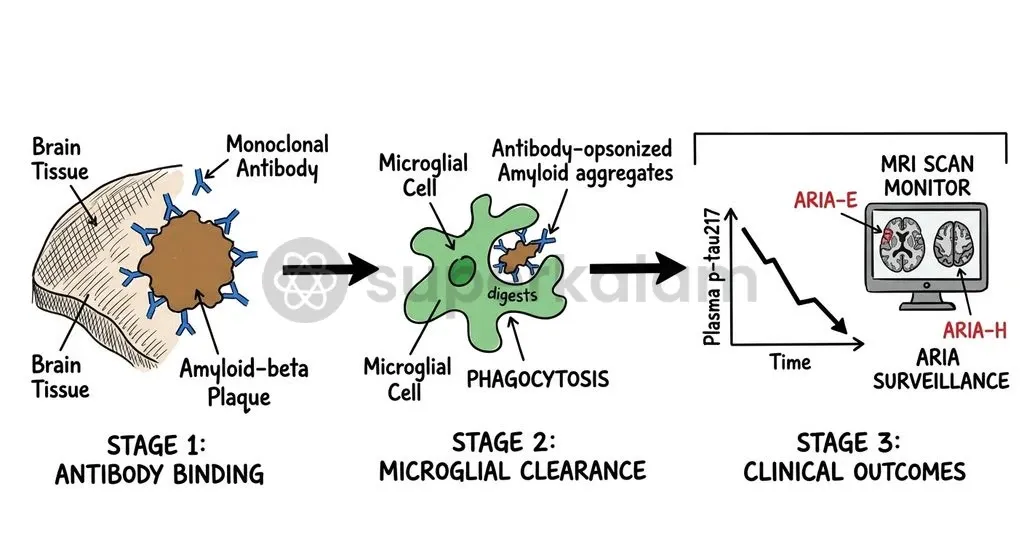
Targeted monoclonal antibodies such as lecanemab and donanemab utilise biomarker profiling to select eligible early-stage Alzheimer's patients and evaluate biological clearing of amyloid-beta. These humanised immunoglobulins bind selectively to insoluble fibrillar amyloid plaques within brain tissue, facilitating immune-mediated plaque clearance to slow cognitive decline modestly, as documented in US FDA briefing documents.
Blood biomarkers play an essential role in monitoring therapeutic response. Regulatory evaluations confirm that administering amyloid-clearing monoclonal antibodies leads to a downstream reduction of 35% to 39% in plasma p-tau217 concentrations over 76 weeks, confirming biochemical target engagement.
However, blood tests cannot completely replace advanced imaging during therapy:
- Suboptimal clearance confirmation: A phase 3 post-hoc analysis published in Alzheimer's & Dementia showed that single-point plasma p-tau217 tests achieved an area under the curve (ROC AUC) of just 0.61 when confirming complete plaque clearance, necessitating follow-up PET scans before stopping treatment.
- Safety monitoring: US FDA prescribing guidelines mandate serial MRI monitoring because these antibodies can cause Amyloid-Related Imaging Abnormalities, specifically ARIA-E (brain oedema) and ARIA-H (sulcal microhaemorrhage).
Comparing the Biomarkers: Target Proteins, Associated Diseases, and Clinical Use
Clinical utility varies substantially across neural biomarkers depending on whether the measured protein reflects disease-specific proteinopathy or generalised axonal destruction. Understanding these distinctions allows medical practitioners to deploy the appropriate diagnostic tool for specific clinical indications.
| Biomarker | Target Protein / Pathological Mechanism | Associated Neurological Conditions | Primary Clinical Role | Diagnostic Accuracy / Characteristics |
|---|---|---|---|---|
| p-tau217 | Phosphorylated tau 217; tracks amyloid-beta plaques and neurofibrillary tangles | Alzheimer's disease | Specific detection, differential diagnosis, monitoring anti-amyloid therapy | Exceeds 90%–95% accuracy; mirrors amyloid PET imaging |
| NfL (Neurofilament Light) | Structural scaffolding protein released during myelinated axonal degradation | Amyotrophic lateral sclerosis, multiple sclerosis, stroke, frontotemporal dementia | Non-specific marker of active neurodegeneration and neuroaxonal injury | Dynamic tracking of disease activity, injury rates, and treatment efficacy |
| Alpha-Synuclein (αSyn-SAA) | Misfolded synuclein forming insoluble intracellular Lewy bodies | Parkinson's disease, Lewy body dementia, multiple system atrophy | Pre-motor detection and accurate molecular stratification | 87.7% sensitivity and 96.3% specificity using real-time seed amplification |
| Neuronal Surface Antibodies | Autoantibodies targeting surface proteins (e.g., NMDA receptor, LGI1, CASPR2) | Autoimmune encephalitis | Diagnosing reversible neuro-inflammatory encephalopathies | Requires paired CSF and serum testing; CSF exhibits higher sensitivity |
Discuss with Superkalam
If a clinic screens an asymptomatic adult who tests positive for elevated p-tau217, what clinical and therapeutic steps should follow based on trial evidence?
Ask NowBlood Tests vs. Spinal Taps and PET Scans: Why Non-Invasive Diagnostics Matter
Conventional diagnostic modalities like Positron Emission Tomography scans and cerebrospinal fluid lumbar punctures present major financial and procedural hurdles for widespread screening. Overcoming these barriers is essential for expanding diagnostic access beyond elite tertiary hospitals.
Positron Emission Tomography (PET) visualises fibrillar amyloid and tau deposits in vivo using radioactive tracers. A health economics review in JAMA Neurology noted that brain amyloid and tau PET scans cost between $3,000 and $5,000 per scan and depend on dedicated cyclotron infrastructure to manufacture short-lived radiotracers. These requirements make routine PET diagnostics practically impossible for low- and middle-income regions.
Lumbar punctures access cerebrospinal fluid (CSF) directly from the spinal canal to evaluate central biomarker levels. A review in Lancet Neurology noted that spinal taps face frequent patient refusal due to procedural invasiveness, post-dural puncture headaches, risks of cerebral herniation, and medical contraindications in individuals with coagulopathies.
Peripheral blood immunoassays overcome these structural bottlenecks:
- High throughput: Standard phlebotomy samples can be processed on automated chemiluminescent or single-molecule array (Simoa) platforms, as outlined in JAMA Neurology.
- Cost containment: Blood assays eliminate the need for radiotracers, cyclotrons, and specialised procedural rooms.
- Safety: Routine venipuncture eliminates post-procedural recovery times and serious procedural risks.

India's Neurodegenerative Burden: Aging Demographics and Diagnostic Gaps
India confronts a steep escalation in neurodegenerative disorders as its demographic transition rapidly expands the proportion of senior citizens across rural and urban landscapes. This demographic trend will place unprecedented pressure on healthcare delivery systems over coming decades.
The Longitudinal Ageing Study in India (LASI-DAD) reports that 7.4% of adults aged 60 and older live with dementia, representing approximately 8.8 million older citizens. According to national projections from the Ministry of Health and Family Welfare, India's elderly demographic will expand to nearly 20% of the total population—around 319 million individuals—by 2050, sharply driving up the national burden of chronic cognitive disorders.
Healthcare infrastructure remains poorly aligned with this coming demand:
- Centralised expertise: Under the National Programme for Health Care of the Elderly (NPHCE), primary health centres provide basic geriatric services, but advanced neuro-diagnostics remain concentrated in apex institutions like NIMHANS and AIIMS.
- Rural diagnostic deficits: District hospitals generally lack validated automated immunoassay platforms, leaving memory complaints undiagnosed until advanced cognitive decline sets in.
- Workforce shortages: Neurologists, geriatricians, and trained memory-care nurses remain scarce outside major metropolitan regions.
Discuss with Superkalam
Why is paired cerebrospinal fluid and serum testing critical for diagnosing anti-NMDA receptor encephalitis instead of relying on blood tests alone?
Ask NowEthical and Policy Dilemmas: Cost, Commercialization, and Pre-Symptomatic Stigma
Predictive biomarker testing raises intricate ethical concerns regarding the psychological burden of diagnosing untreatable conditions and the hazard of socio-economic discrimination. The ability to identify neurodegenerative pathology long before cognitive decline appears outpaces our capacity to treat these conditions effectively.
Blood biomarkers like p-tau217 can identify pathological changes 15 to 20 years before clinical memory loss begins. Bioethicists writing in JAMA warn that detecting incurable pathologies so far in advance creates an ambiguous category of 'patients-in-waiting'—healthy adults burdened by the awareness of future decline. A systematic review in BMC Medical Ethics found that disclosing biomarker positivity to asymptomatic people without accessible disease-modifying therapies induces clinical anxiety, severe depression, and existential distress.
Economic realities compound these psychological burdens. Annual drug acquisition costs for monoclonal antibodies exceed $26,000 (roughly 22 lakh INR) per patient, presenting severe financial barriers in India where neurodegenerative treatments are financed almost entirely out-of-pocket.
These dilemmas have prompted international guideline adjustments and legal challenges:
- Diagnostic boundaries: The International Working Group (IWG) recommends restricting formal clinical diagnoses to symptomatic patients, categorising asymptomatic biomarker-positive individuals merely as 'at-risk' to avoid premature medicalisation.
- Socio-economic discrimination: Legal analyses in the Journal of Law, Medicine & Ethics reveal that recording preclinical biomarker positivity in electronic medical records exposes individuals to denial of life insurance, loss of long-term care coverage, and workplace discrimination.
Discuss with Superkalam
Weigh the ethical implications of deploying non-invasive pre-symptomatic screening tools in healthcare systems where targeted disease-modifying therapies remain unaffordable.
Ask NowThe Way Forward: Affordable Point-of-Care Testing and Public Health Integration
Sustainable management of neurodegenerative diseases demands decentralising diagnostic infrastructure, expanding public insurance coverage, and establishing clear regulatory protocols under Indian health agencies. Closing the gap between advanced molecular diagnostics and clinical care requires deliberate policy intervention.
Health ministries and medical research councils must implement phased systemic reforms:
- Regulatory standards: The Central Drugs Standard Control Organisation (CDSCO) and the Indian Council of Medical Research (ICMR) should establish validation benchmarks and clinical thresholds for imported and domestic blood immunoassay kits.
- Primary care integration: Blood-based biomarker assays must be integrated into district-level facilities under the National Programme for Health Care of the Elderly (NPHCE) to enable early risk stratification.
- Bioethical governance: Clear statutory guardrails must prohibit commercial direct-to-consumer dementia testing, mandate pre-test genetic and biomarker counselling, and protect pre-symptomatic citizens from insurance discrimination.
- R&D prioritisation: Domestic biotechnology firms should receive public support to engineer affordable, locally manufactured reagents for chemiluminescent and seed amplification assays, reducing reliance on costly imported diagnostic platforms.
Key Takeaways
- High-precision screening: Plasma p-tau217 blood tests achieve diagnostic accuracies above 90% to 95%, matching amyloid PET scans for identifying Alzheimer's pathology without radiation or invasive procedures.
- Broad neuroaxonal monitoring: Neurofilament light chain (NfL) acts as a universal blood marker for active nerve damage, dynamically reflecting disease progression across multiple sclerosis, ALS, and stroke.
- Pre-motor detection: The alpha-synuclein seed amplification assay detects misfolded synuclein aggregates with 87.7% sensitivity and 96.3% specificity in Parkinson's cohorts.
- Therapeutic limitations: Monoclonal antibodies like lecanemab and donanemab lower plasma p-tau217 by 35% to 39%, but high costs (>22 lakh INR annually) and risks of ARIA-E and ARIA-H limit clinical feasibility in India.
- Ethical safeguards: Testing asymptomatic individuals decades before onset creates 'patients-in-waiting' vulnerable to anxiety and insurance bias, prompting the International Working Group to classify asymptomatic biomarker-positive adults as 'at-risk' rather than clinically diseased.
Mains Question
"The emergence of high-accuracy peripheral blood biomarkers like p-tau217 marks a structural shift toward early molecular triaging of neurodegenerative diseases, yet it cannot entirely supplant advanced neuroimaging." Elucidate. (10 Marks)
Evaluate NowMains Question
"While peripheral blood assays offer unprecedented opportunities for pre-symptomatic detection of neurodegenerative disorders, they expose a profound tension between diagnostic capabilities and healthcare delivery in developing health systems." Critically examine. (15 Marks)
Evaluate NowPractice MCQs
QUESTION 1
Consider the following statements regarding neurological biomarkers:
- Plasma phosphorylated tau 217 (p-tau217) specifically tracks amyloid-beta plaques and hyperphosphorylated tau tangles in Alzheimer's disease.
- Neurofilament light chain (NfL) functions as a disease-specific marker restricted exclusively to Alzheimer's pathology.
- The alpha-synuclein seed amplification assay (αSyn-SAA) can detect pathological aggregates associated with Parkinson's disease. Which of the statements given above is/are correct?
QUESTION 2
Regarding the therapeutic monitoring of Alzheimer's disease with monoclonal antibodies such as lecanemab and donanemab, consider the following statements:
- Amyloid-clearing monoclonal antibodies produce a downstream reduction in plasma p-tau217 concentrations.
- A single-point plasma p-tau217 test is clinically sufficient to verify complete plaque clearance without requiring follow-up PET scans.
- Prescribing guidelines mandate serial MRI monitoring to track Amyloid-Related Imaging Abnormalities like brain oedema and sulcal microhaemorrhage. Which of the statements given above is/are correct?
QUESTION 3
With reference to autoimmune encephalitis and neurodegenerative disorders, consider the following statements:
- Unlike neurodegenerative disorders that cause permanent neuronal death, antibody-mediated autoimmune encephalitis is often reversible when managed early with immunotherapy.
- Cerebrospinal fluid antibody testing exhibits higher diagnostic sensitivity than serum testing for diagnosing anti-NMDA receptor encephalitis. Which of the statements given above is/are correct?
QUESTION 4
In the context of modern neurotherapeutics, the phenomena 'ARIA-E' and 'ARIA-H' refer to which of the following?
QUESTION 5
Consider the following statements regarding Neurofilament light chain (NfL):
- It serves as a primary structural scaffolding protein of myelinated axons.
- Elevated serum NfL levels dynamically track disease progression in conditions such as amyotrophic lateral sclerosis and multiple sclerosis. Which of the statements given above is/are correct?