Bacteriophage Therapy: How Omnii-1 and AI Combat Superbugs
As superbugs outpace standard antibiotics, generative AI redesigns lytic phages in days—signalling a critical shift for global and Indian clinical policy.
Oct, 2026
•11 min read
Overview
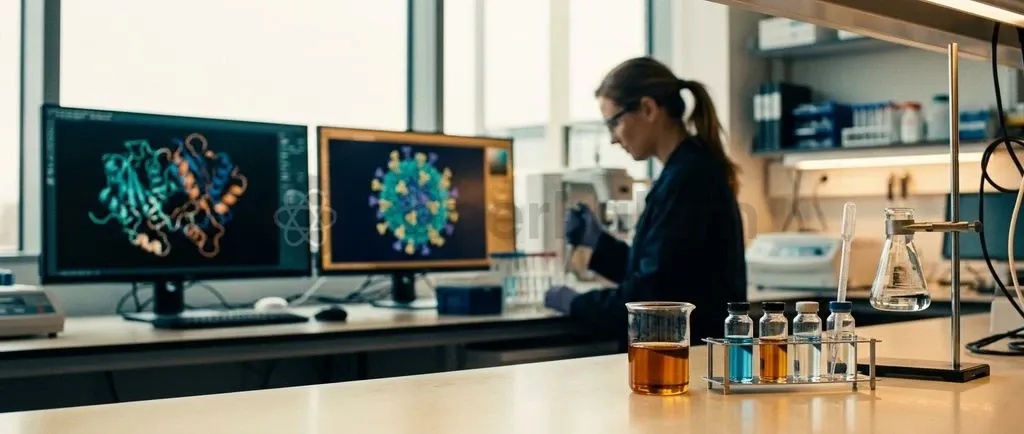
The deployment of the Omnii-1 multimodal biological foundation model in October 2026 marks a decisive shift in combating antimicrobial resistance. Generative artificial intelligence can now computationally redesign bacteriophages within days to target lethal, drug-resistant bacterial pathogens. Traditional antibiotic discovery pipelines have stalled while bacterial strains such as carbapenem-resistant Escherichia coli evade last-line therapeutics across healthcare systems.
Generative platforms bypass historical laboratory screening delays by predicting viral-host interactions across diverse biological modalities. Synthetically altering phage tail fibre proteins enables precision biological therapies that destroy target pathogens. These targeted interventions avoid widespread dysbiosis in the human gut microbiome. For public health frameworks and regulatory bodies, the clinical success of engineered biologicals highlights the need to transition from traditional chemical drug approvals to flexible, personalised biological therapeutic standards.
Why in the News: The Omnii-1 Breakthrough Against Superbugs
In October 2026, Omnii-1 successfully generated synthetic bacteriophage variants to treat a human patient suffering from a drug-resistant Escherichia coli infection. The clinical intervention took place under compassionate-use authorisation. According to a technical release from Radical Numerics, the platform designed bespoke therapeutic viruses that received emergency clearance from the United States Food and Drug Administration. As of October 2026, the clinical intervention demonstrated how computational biology can bypass traditional empirical drug regimens when facing pan-drug-resistant hospital pathogens.
The clinical workflow moves rapidly from sequencing to administration:
- Genomic Sequencing: Isolating and sequencing the patient's specific bacterial isolate.
- AI Target Prediction: Identifying vulnerable surface receptors on the target pathogen.
- Synthetic Tail Design: Redesigning phage attachment proteins computationally.
- Rapid Formulation: Compounding the bespoke therapeutic virus for patient delivery. (Author's synthesis of the Omnii-1 compassionate-use pipeline)
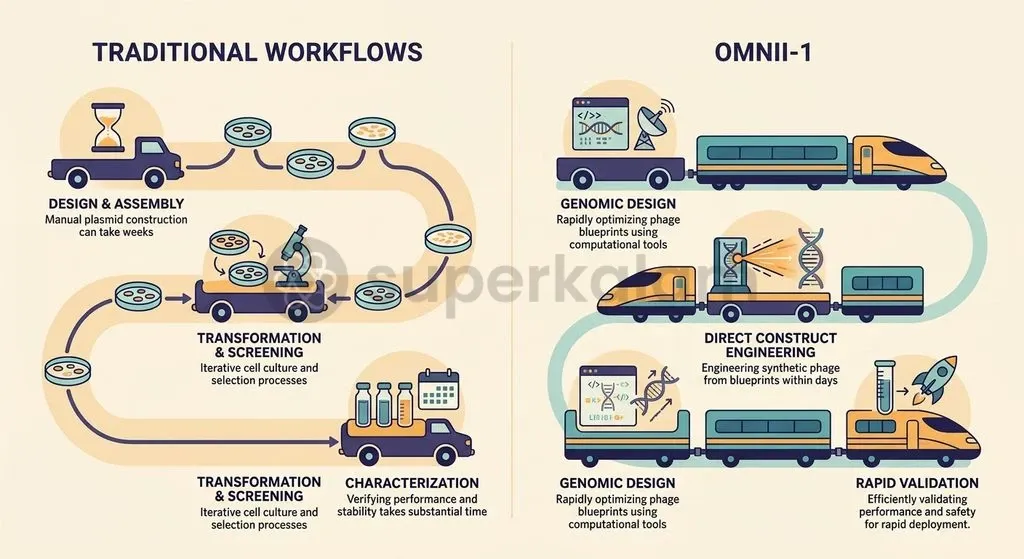
Conventional antibiotic development cycles routinely require over a decade to bring new chemical entities to hospital wards. By contrast, generative AI platforms analyse pathogen genomes, identify vulnerable bacterial surface receptors, and synthesise targeted lytic phages in days. The real-world application of Omnii-1 validates decades of theoretical phage research, offering a concrete alternative for intractable infections where standard antimicrobials fail.
The Deepening AMR Crisis: Why Conventional Antibiotics Failed Against E. Coli
Antimicrobial resistance poses an existential challenge to global healthcare as standard empirical antibiotics increasingly fail against resilient Gram-negative pathogens like Escherichia coli. Bacterial antimicrobial resistance was associated with an estimated 4.95 million deaths globally in 2019, including 1.27 million deaths directly attributable to resistant pathogens, according to a comprehensive systematic analysis published in The Lancet. Projections published by The Lancet and the Global Research on Antimicrobial Resistance Project indicate that South Asia faces a cumulative mortality burden of 11.8 million attributable deaths through 2050.
Clinical data from the Indian Council of Medical Research Antimicrobial Resistance Research and Surveillance Network reveals a stark erosion in antibiotic efficacy across tertiary hospitals. Carbapenems, historically reserved as drugs of last resort, are rapidly failing against resistant isolates:
- Imipenem Susceptibility Drop: Susceptibility in Escherichia coli fell from 81.4% in 2017 to 62.7% in 2023.
- Meropenem Resistance Growth: Susceptibility declined from 73.2% to 66.0% across the same surveillance timeframe.
- High NDM-1 Prevalence: Carbapenem-resistant Escherichia coli isolates harbour the New Delhi metallo-beta-lactamase 1 (NDM-1) gene in more than 90% to 95% of characterised isolates.
- Elevated ICU Mortality: Carbapenem-resistant bloodstream infections in intensive care patients carry mortality rates exceeding 45% to 50%.
The presence of the NDM-1 enzyme hydrolyses broad-spectrum beta-lactam antibiotics, leaving clinicians with virtually no viable pharmacological interventions. Plasmids transfer resistance genes across lineages while selective pressure accelerates the survival of pan-resistant clones.
Discuss with Superkalam
Recall the specific viral tail fibre protein redesigned by Omnii-1 to target resistant Escherichia coli.
Ask NowInside the Case: How Omnii-1 Used AI to Engineer Targeted Bacteriophages
Radical Numerics launched Omnii-1 on 20 October 2026 as a multimodal biological language model trained across 28 distinct biological data modalities. The computational model processes diverse inputs, including bacterial DNA, RNA, protein structural sequences, and epigenetic profiles, according to Radical Numerics. This unified multimodal architecture deciphers complex biological rules governing host-pathogen interactions.
In laboratory performance benchmarks, Omnii-1 achieved a 92.1% host recall rate when predicting phage-host compatibility across genetically diverse and uncharacterised bacterial strains without requiring species-level pre-identification. Traditional phage isolation requires clinicians to perform laborious plaque screening assays against individual patient isolates, a workflow that typically consumes several weeks or months. Omnii-1 compresses this empirical matching timeline into days, matching the urgent clinical tempo required for septic patients.
The platform overcomes bacterial surface escape mutations by directing the synthetic evolution of viral attachment machinery. Omnii-1 computationally redesigned gene product 17 (gp17), the receptor-binding tail fibre protein of the Escherichia coli T7 bacteriophage, to precisely align with mutated patient pathogens. When bacteria alter surface antigens to evade viral attachment, the model iteratively recalculates the tail fibre amino acid sequences to restore binding affinity.
Clinical phage engineering relies on understanding fundamental viral life cycles:
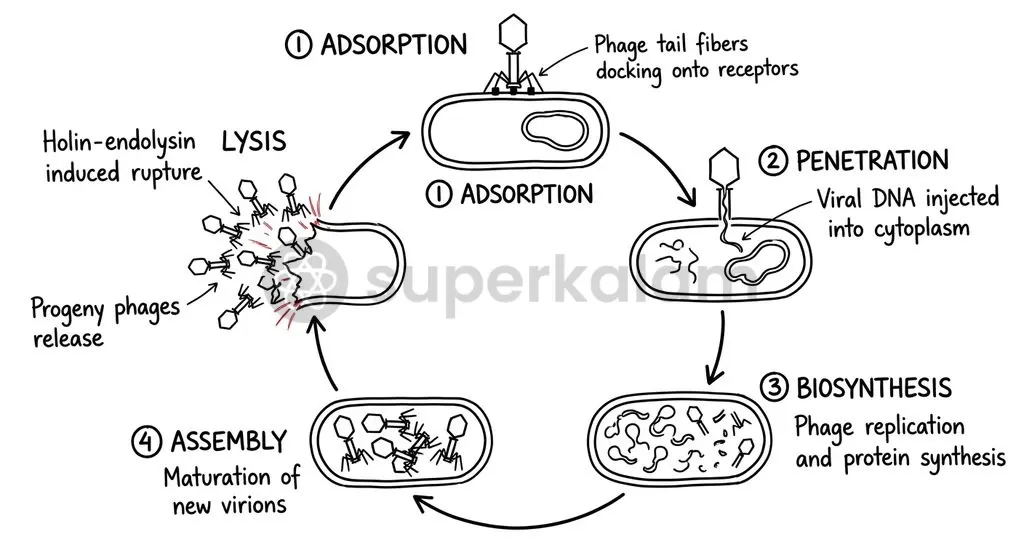
- Obligate Lytic Bacteriophages: These viruses infect the host bacterium, commandeer its molecular machinery to replicate viral genomes, assemble progeny, and systematically lyse the bacterial cell wall via endolysins and holins. This bactericidal destruction makes obligate lytic phages the exclusive class suitable for clinical therapies, as documented in Frontiers in Microbiology.
- Temperate or Lysogenic Phages: These phages integrate their viral genome into the bacterial chromosome as prophages rather than destroying the host. Temperate phages present severe clinical hazards by mediating horizontal gene transfer of virulence factors and antibiotic resistance genes through specialised transduction.
Discuss with Superkalam
Explain the biological mechanism through which obligate lytic phages destroy bacterial hosts compared to the lysogenic cycle of temperate phages.
Ask NowPhages vs. Antibiotics: What the Omnii-1 Trial Reveals About Targeted Biology
Precision bacteriophages offer distinct physiological advantages over traditional broad-spectrum antibiotics by preserving commensal microflora and driving beneficial bacterial evolutionary trade-offs. Traditional chemical antibiotics act systemically, eradicating diverse bacterial taxa across organ systems without discriminating between infectious pathogens and protective commensals. Conversely, bacteriophages maintain extreme target specificity by recognising specific outer surface structures, including lipopolysaccharides, outer membrane proteins such as OmpA or OmpC, and capsular polysaccharides.
| Dimension | Standard Broad-Spectrum Antibiotics | Precision Bacteriophage Therapy (Omnii-1 Model) |
|---|---|---|
| Primary Mechanism | Chemical disruption of cell wall, protein, or DNA synthesis | Viral attachment, replication, and lysis via endolysins and holins |
| Taxonomic Specificity | Broad-spectrum systemic activity across bacterial phyla | Strict strain-level recognition of outer membrane proteins and lipopolysaccharides |
| Gut Microbiome Impact | Eradicates commensal flora, causing dysbiosis and secondary infections | Eliminates target pathogens while preserving the commensal gut architecture |
| Evolutionary Response | Selects for broad, multidrug-resistant efflux and hydrolytic adaptations | Imposes a fitness trade-off, frequently restoring antibiotic susceptibility |
| Production Architecture | Standardised industrial chemical synthesis | Biological amplification requiring host-derived purification and cold chains |
The clinical trial of Omnii-1 demonstrated that precision phage targeting avoids collateral damage in the gastrointestinal tract. Broad-spectrum antimicrobial administration routinely obliterates beneficial microflora, predisposing immunocompromised patients to secondary Clostridioides difficile colitis and metabolic dysfunction. Because phages cannot bind cells lacking their specific cognate receptor, beneficial bacterial populations remain entirely unperturbed during therapy.
Furthermore, bacterial attempts to develop resistance against bacteriophages entail an evolutionary fitness trade-off. As described in Frontiers in Microbiology, when bacteria mutate their outer surface receptors or downregulate multi-drug efflux pumps to escape phage attachment, they frequently surrender their defensive mechanisms against conventional antimicrobials. This structural reorganisation can restore bacterial susceptibility to previously ineffective chemical antibiotics, enabling synergistic therapeutic protocols.
Discuss with Superkalam
How could clinicians apply the concept of bacterial 'fitness trade-offs' to design combination therapies using both bacteriophages and conventional antibiotics?
Ask NowClinical and Regulatory Roadblocks Highlighted by Omnii-1
Translating experimental bacteriophages into routine medical practice exposes severe pharmaceutical stability, manufacturing purity, and regulatory classification bottlenecks across global healthcare systems. Standard liquid formulations, including T7-like podoviruses, require continuous cold-chain storage at 4 °C to preserve viable viral plaque-forming titers. When liquid preparations encounter ambient temperatures between 22 °C and 25 °C or undergo repeated freeze-thaw cycles, formulations experience sharp titer drops of 2 to 4 orders of magnitude within weeks.
Pharmaceutical stabilisation techniques help overcome these environmental sensitivities:
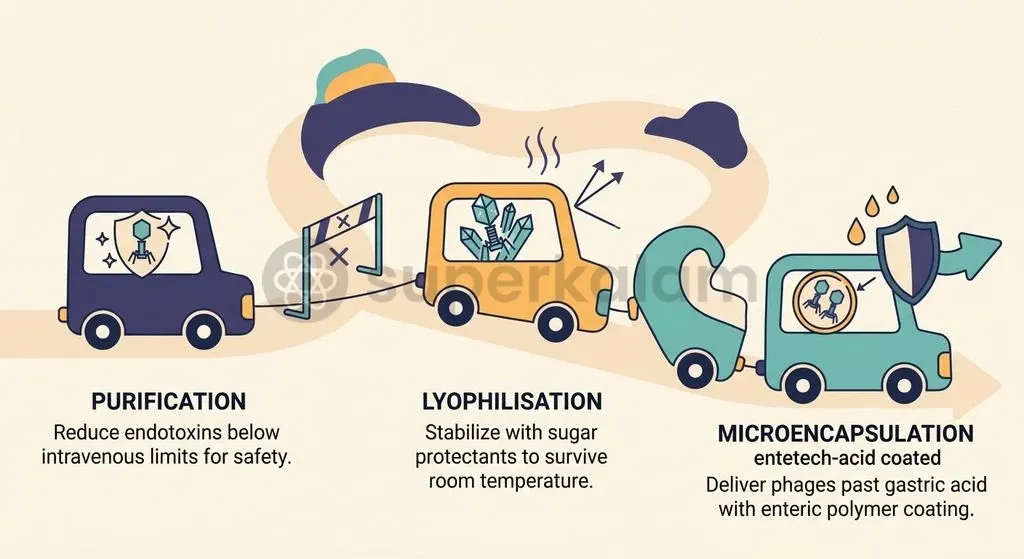
- Lyophilisation Formulations: Freeze-drying phages using lyoprotectants such as sucrose and trehalose preserves capsid and tail fibre integrity. This extends viable product shelf-life beyond 12 months at ambient temperatures.
- Endotoxin Extraction: Manufacturing phages within Gram-negative bacterial hosts releases large amounts of cellular debris. Downstream purification must lower bacterial lipopolysaccharides below the intravenous safety limit of 5 Endotoxin Units per kilogram per hour.
- Physiological Protection: Intravenous delivery faces clearance by hepatic and splenic macrophages in the reticuloendothelial system alongside neutralising antibodies. In contrast, oral delivery suffers inactivation in the stomach's low pH (pH 1.5–2.5) environment. Overcoming this barrier requires enteric microencapsulation in alginate polymers.
Downstream purification requires stringent multi-step bio-processing:
- Host Lysis: Lyse host bacteria to release viral progeny.
- Cellular Clarification: Remove intact bacterial cells and gross cellular debris.
- Ultrafiltration: Concentrate viral capsids while separating smaller protein contaminants.
- Endotoxin Removal: Reduce residual bacterial lipopolysaccharides below 5 EU/kg/hr.
- Lyophilisation: Stabilise purified therapeutic phages for long-term clinical storage. (Author's synthesis of the standard bacteriophage downstream purification process)
Regulatory regimes struggle to evaluate evolving biological treatments. India's Central Drugs Standard Control Organisation (CDSCO) evaluates bacteriophage preparations under the New Drugs and Clinical Trial Rules, 2019, an architecture designed for static chemical molecules rather than adaptive biologicals. Indian patients currently obtain experimental phage preparations primarily via physician-prescribed import licences for personal use under Form 12A, rather than through commercial hospital pipelines.
To modernise oversight, the Drugs Consultative Committee of India recommended amending rules to establish centralised CDSCO oversight over antimicrobial definitions under the New Drugs and Clinical Trial Rules, 2019. Clinical societies in India are advocating for a magistral phage framework modelled on Belgium's 2018 regulatory pathway, per reviews from the Society for Bacteriophage Research and Therapy (as reported, October 2026). Such a framework would allow certified hospital pharmacists to compound personalised phage formulations under defined quality dossiers without requiring full-scale commercial licensing for every bespoke strain.
Policy Lessons for India: Integrating AI and Phage Research into the National AMR Action Plan
India's revised National Action Plan on Antimicrobial Resistance 2.0 establishes strategic pathways to institutionalise non-antibiotic alternatives and computational biotechnology. Published by the Ministry of Health and Family Welfare and the National Centre for Disease Control, NAP-AMR 2.0 (2025–2029) expands India's surveillance, stewardship, and scientific response to superbugs.
Under Strategic Priority 6 of NAP-AMR 2.0, the policy formally directs the Council of Scientific and Industrial Research to advance research on phage and microbiome-based therapies within a 3-to-5-year operational window. This prioritisation aligns national biomedical laboratories toward establishing characterised phage banks and mapping clinical isolates. Additionally, the plan initiates the India AMR Innovation Hub as a mission-mode initiative tasked with incubating and deploying alternative non-antibiotic interventions across human, animal, and environmental interfaces.
The Indian Council of Medical Research reinforces this agenda by funding preclinical discovery pipelines targeting hospital-acquired superbugs. ICMR grants support research teams evaluating novel bacterial enzyme inhibitors and bacteriophage-derived lysins, leveraging targeted biological enzymes capable of digesting Gram-negative cell walls from without.
To turn technological breakthroughs into scalable clinical solutions, India's public health framework should prioritise three structural initiatives:
- Establish National Phage Repositories: Consolidate bio-banked, genomic-sequenced lytic phages targeting prioritised pathogens like carbapenem-resistant E. coli and Klebsiella pneumoniae.
- Create Bespoke Regulatory Pathways: Formulate adaptive rules within the CDSCO that accommodate personalised, variable biological therapeutics while enforcing Good Manufacturing Practice standards.
- Invest in Computational Biology Infrastructure: Direct public bio-foundry funding toward foundation models that match local pathogen genomics, lowering discovery barriers for domestic healthcare institutions.
Discuss with Superkalam
Analyse the structural and logistical reasons why pharmaceutical supply chains struggle more with liquid bacteriophage formulations than standard chemical antibiotics.
Ask NowKey Takeaways
- Antimicrobial resistance caused 1.27 million attributable deaths globally in 2019, with South Asia facing a projected 11.8 million cumulative deaths by 2050.
- Surveillance from the ICMR AMRSN indicates that E. coli imipenem susceptibility dropped to 62.7% by 2023, with over 90% to 95% of carbapenem-resistant isolates harbouring the NDM-1 gene.
- Omnii-1 achieved a 92.1% host recall rate across uncharacterised bacterial strains by leveraging 28 biological modalities to computationally re-engineer the T7 phage gp17 tail fibre protein.
- Bacteriophage therapy uses obligate lytic phages to destroy pathogens via endolysins and holins while preserving gut commensals; temperate phages are clinically unsuitable due to horizontal gene transfer risks.
- Industrial implementation requires endotoxin removal below 5 EU/kg/hr, formulation stabilisation via sucrose or trehalose lyophilisation, and enteric encapsulation against gastric acid.
- India's NAP-AMR 2.0 (Strategic Priority 6) mandates CSIR research on phage therapies within a 3-to-5-year window, while the CDSCO evaluates updates to the New Drugs and Clinical Trial Rules, 2019.
Mains Question
"The erosion of carbapenem susceptibility reported by the ICMR surveillance network underscores the limitations of the traditional chemical antimicrobial pipeline." In light of this statement, examine how AI-engineered bacteriophage therapies offer a viable alternative to combat antimicrobial resistance. (10 Marks)
Evaluate NowMains Question
"Translating bespoke biological therapeutics like engineered bacteriophages into clinical public health frameworks challenges existing regulatory paradigms." Critically analyse the manufacturing, stability, and regulatory bottlenecks associated with integrating precision phage platforms into national healthcare responses. (15 Marks)
Evaluate NowPractice MCQs
QUESTION 1
With reference to bacteriophages and antimicrobial resistance, consider the following statements:
- Obligate lytic bacteriophages lyse the bacterial cell wall through the action of endolysins and holins.
- Temperate phages are preferred over lytic phages in clinical therapeutics because they integrate into the bacterial chromosome.
- Bacterial adaptations to escape phage attachment may restore bacterial susceptibility to conventional antibiotics through evolutionary fitness trade-offs. Which of the statements given above are correct?
QUESTION 2
Consider the following statements regarding the stability and formulation of therapeutic bacteriophages:
- Liquid formulations of T7-like bacteriophages maintain stable plaque-forming titers at room temperatures above 25 °C without requiring refrigeration.
- Lyophilisation using lyoprotectants such as sucrose and trehalose can extend phage shelf-life beyond 12 months at ambient temperatures. Which of the statements given above is/are correct?
QUESTION 3
According to surveillance data from the Indian Council of Medical Research Antimicrobial Resistance Research and Surveillance Network (ICMR AMRSN) highlighted in the article, which of the following is correct regarding carbapenem resistance in Escherichia coli?
QUESTION 4
Consider the following statements regarding the multimodal biological foundation model Omnii-1:
- It was developed to computationally predict viral-host compatibility across diverse biological modalities without requiring species-level pre-identification.
- In the reported clinical trial, it was used to redesign gene product 17 (gp17) of the T7 bacteriophage to target mutated Escherichia coli surface receptors.
- Unlike chemical antibiotics, targeted bacteriophages destroy pathogens while preserving commensal gut microflora. Which of the statements given above are correct?
QUESTION 5
In the context of targeted biological therapies, what primary structural component of the T7 bacteriophage was computationally altered by AI to restore receptor binding against drug-resistant Escherichia coli?