GS 3: Science & TechnologyGS 3: Environment & EcologyGS 2: Governance
How altered mosquitoes could reshape malaria control, PgII
Gene-edited mosquitoes show promise in blocking malaria transmission in Tanzania, offering a novel approach to combatting the deadly disease.
Practice MCQs
891 Students attempted
Key Highlights:
- Scientists are exploring genetically modifying mosquitoes to prevent them from carrying malaria parasites, offering an alternative to traditional methods.
- A study in Tanzania demonstrated that genetically modified Anopheles gambiae mosquitoes can block malaria parasites in real-world settings.
- The CRISPR-Cas9 gene-editing tool is used to create gene drives, which can spread modified genes through mosquito populations.
- Researchers are developing both population suppression drives (reducing mosquito numbers) and population modification drives (blocking parasite development).
Detailed Insights:
- Traditional malaria control methods face challenges due to increasing insecticide resistance in mosquitoes and drug resistance in malaria parasites.
- Gene drives work by altering the probability of a gene being passed on, ensuring that a modified gene is inherited by a large majority of offspring.
- Population suppression drives target genes essential for female mosquito fertility, leading to a decline in mosquito populations.
- Population modification drives allow mosquitoes to survive but prevent malaria parasites from developing within them, reducing transmission.
- The Tanzania study engineered mosquitoes to produce antimicrobial peptides in their midgut, impairing parasite development.
- Split gene drives, where anti-malaria genes and the Cas9 enzyme are introduced separately, offer a way to test protective traits without immediate full deployment.
- Further research is exploring self-limiting and reversible gene drives, as well as molecular 'off switches' to control the spread of modified genes.
- Experts emphasize that gene drives are not a standalone solution and must be combined with existing malaria control measures like bed nets, spraying, and medicines.
Scientific/Technical Concepts Involved:
- Gene Drive: A genetic technology that biases inheritance, causing a modified gene to spread rapidly through a population.
- CRISPR-Cas9: A gene-editing tool used to precisely modify DNA sequences in organisms.
- Antimicrobial Peptides: Molecules produced by genetically modified mosquitoes to harm malaria parasites.
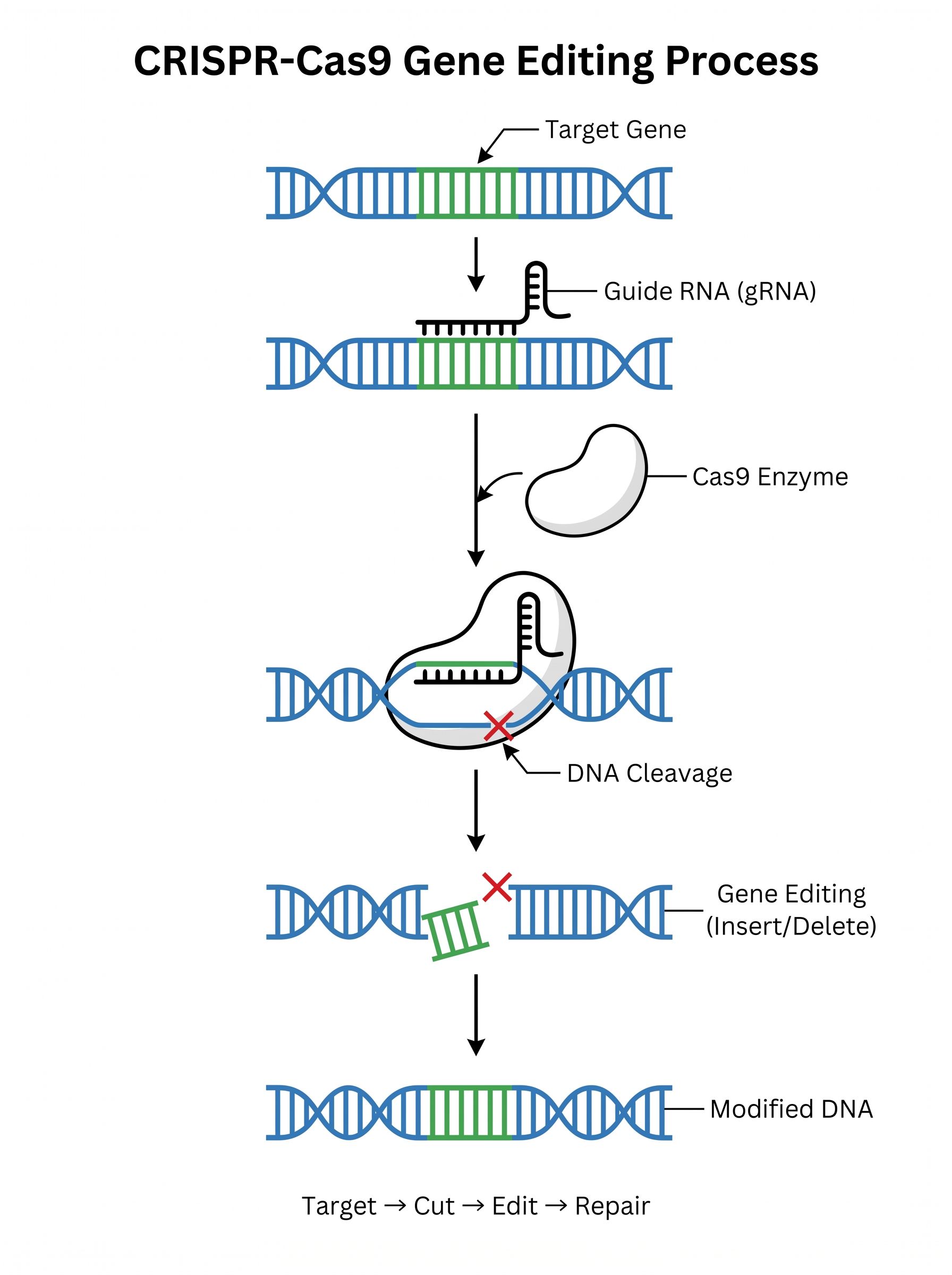
Cas9

SuperKalam is your personal mentor for UPSC preparation, guiding you at every step of the exam journey.
Download the App


STUDY RESOURCES
CONTACT US
ⓒ Snapstack Technologies Private Limited