GS 3: Environment & EcologyGS 1: Indian GeographyPrelims
‘Dragonfly, damselfly species missing in the Western Ghats’, Pg11
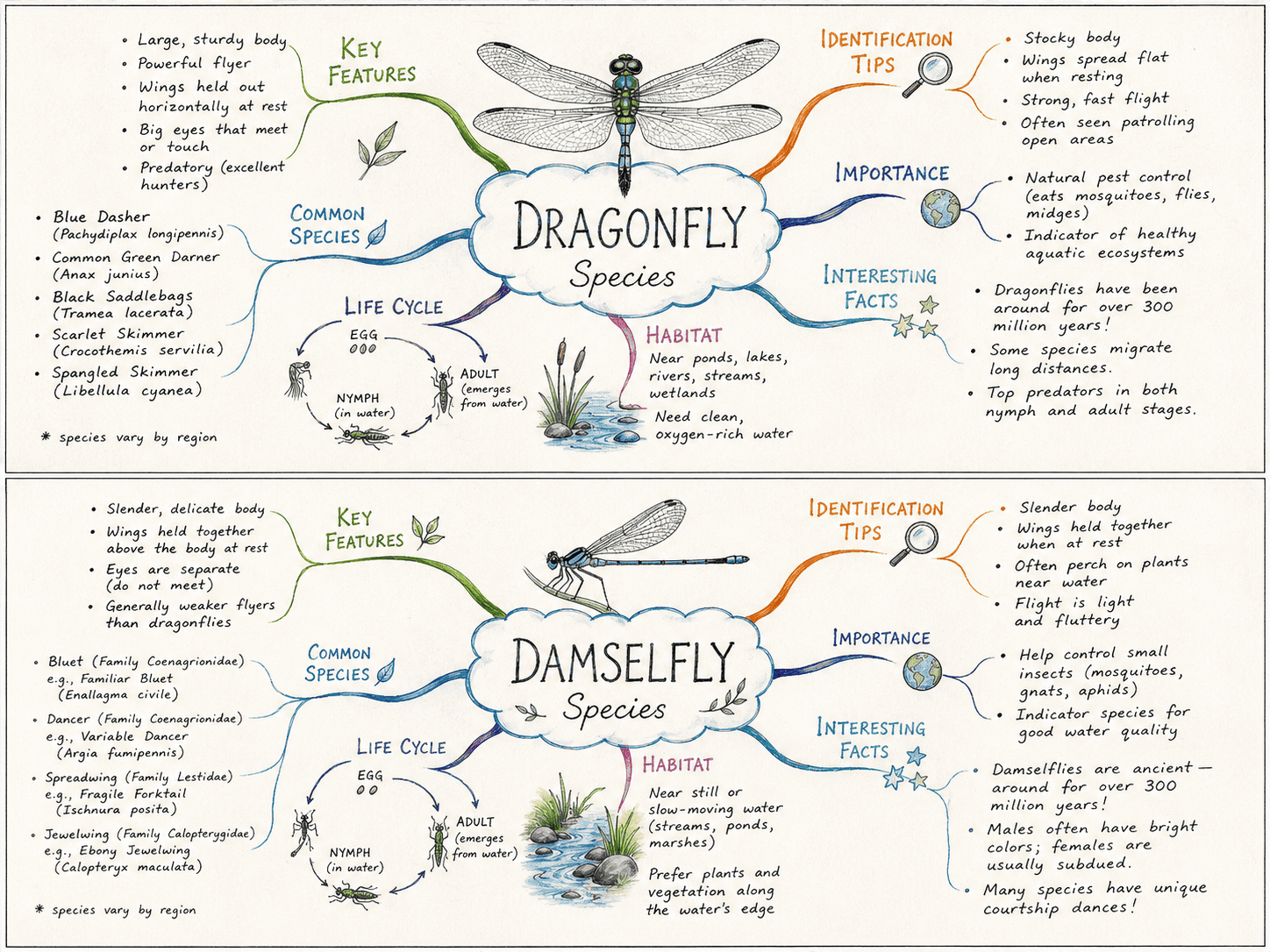
Western Ghats biodiversity faces alarming gap: 35% dragonfly, damselfly species missing, indicating ecological stress and habitat loss.
Practice MCQs
826 Students attempted
Key Highlights:
- A recent study reveals a biodiversity gap in the Western Ghats, with only 65% of historically recorded dragonfly and damselfly species documented.
- The survey, conducted from February 2021 to March 2023 across 144 sites in five states, recorded 143 odonata species.
- 40 of the recorded odonata species are endemic to the Western Ghats.
- Three species are classified as vulnerable on the IUCN Red List, while most are "data deficient" or "not evaluated".
880237eb-f335-46b9-bfd6-eab363beb675.png
Detailed Insights:
- The Western Ghats, a 1,600 km mountain chain, is a globally recognized biodiversity hotspot where odonata species are sensitive to environmental changes and serve as indicator taxa for water body health.
- The study highlights threats to the Western Ghats including infrastructure development, pollution, land-use changes, unregulated tourism, forest fires, and climate change.
- The southern Western Ghats exhibit greater odonata diversity and endemism due to suitable microhabitats and perennial streams.
- The high number of "data deficient" species underscores the need for extensive surveys to determine the status and distribution of lesser-known species.
Key Concepts Involved:
- Endemic: Native or restricted to a particular geographic area.
- Biodiversity Hotspot: A region with high levels of endemic species that has experienced significant habitat loss.
- Indicator Taxa: Species whose presence, absence, or abundance reflects the environmental condition.

SuperKalam is your personal mentor for UPSC preparation, guiding you at every step of the exam journey.
Download the App


STUDY RESOURCES
CONTACT US
ⓒ Snapstack Technologies Private Limited