GS 2: Social JusticeGS 2: GovernanceGS 3: EconomyGS 3: Environment & EcologyGS 2: Polity
What TB reveals about India’s urban health system, Pg9
Tuberculosis in India exposes urban health system flaws, impacting vulnerable populations due to poverty and fragile infrastructure.
Practice MCQs
797 Students attempted
Key Highlights:
- Tuberculosis (TB) prevalence in India highlights vulnerabilities in urban health and social systems, affecting nearly one-fourth of global cases.
- Urban areas, despite better infrastructure, concentrate TB risks due to overcrowding, pollution, and precarious employment.
- Delays in TB diagnosis and treatment interruptions increase transmission, severe illness, and drug resistance.
- Migrants and residents of informal settlements face barriers to healthcare access, disrupting treatment and follow-up.
Detailed Insights:
- Urban India faces challenges in TB control due to fragmented primary healthcare and incomplete data integration between public and private sectors.
- The National TB Elimination Programme provides diagnosis and treatment, but many urban residents seek care from private providers, creating a gap in continuity of care.
- Migration disrupts TB treatment due to frequent changes in residence, lack of documentation, and unstable access to social protection.
- Addressing TB requires portable healthcare, strengthened primary care, and integrated disease control programs at the neighborhood level.
- Viewing health as a right is crucial to ensure access to care regardless of address proof, language, or administrative status.
- TB serves as an indicator of the overall health of urban systems, revealing failures in surveillance, follow-up, and pharmaceutical regulation.
Key Concepts Involved:
- Tuberculosis (TB): An infectious disease caused by bacteria that typically affects the lungs.
- Urban Health System: The network of healthcare facilities, providers, and programs within a city.
- National TB Elimination Programme: India's initiative to eliminate tuberculosis through diagnosis and treatment.
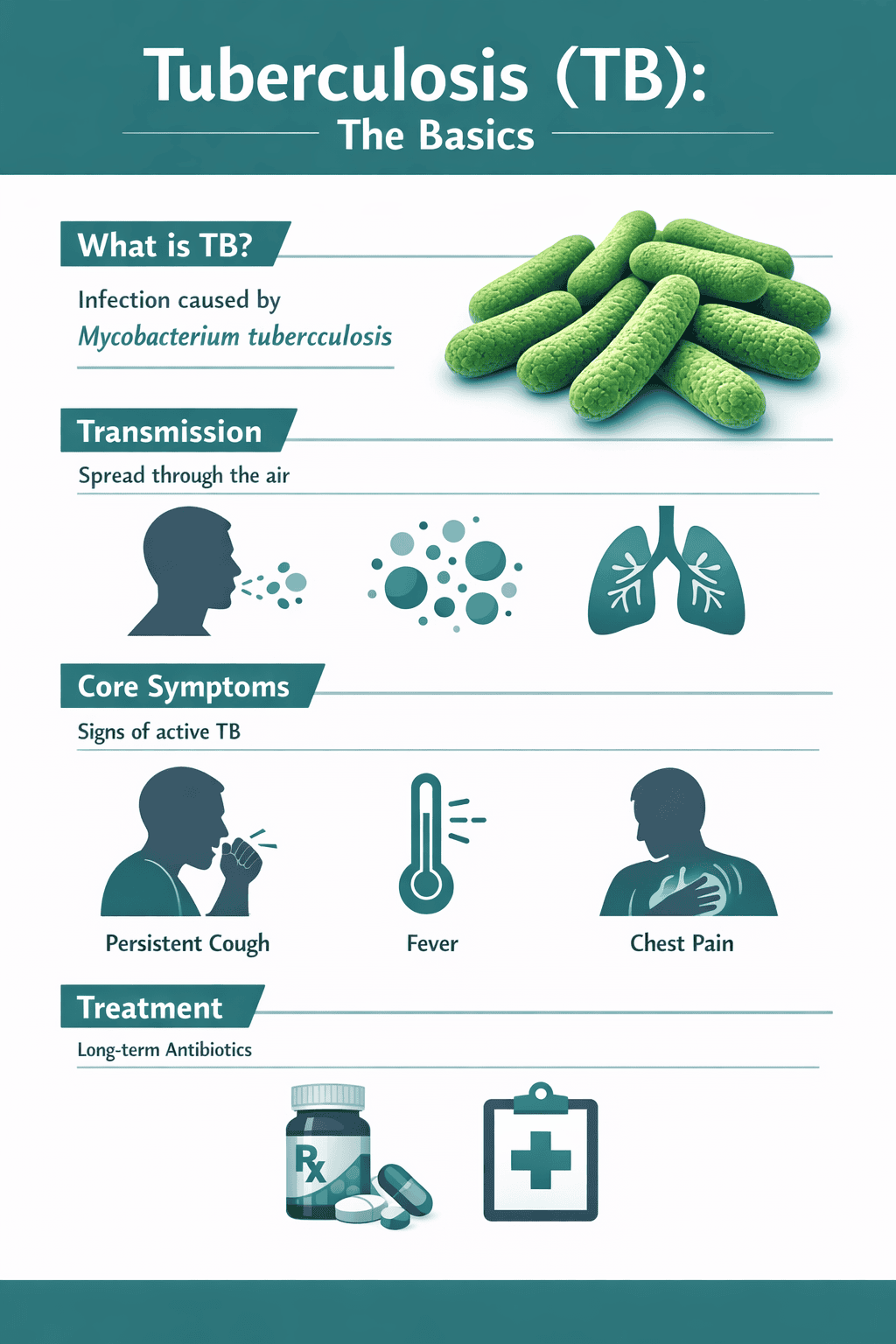
Tuberculosis (TB)

SuperKalam is your personal mentor for UPSC preparation, guiding you at every step of the exam journey.
Download the App


STUDY RESOURCES
CONTACT US
ⓒ Snapstack Technologies Private Limited