GS 2: Social JusticeGS 2: GovernanceGS 3: Science & TechnologyPrelims
Stem cell therapy cannot be offered as a clinical service for autism: Supreme Court, Pg10
Supreme Court bans unproven stem cell therapies for autism, directs government to regulate stem cell research and protect vulnerable patients.
Practice MCQs
767 Students attempted
Key Highlights:
- The Supreme Court ruled that stem cell therapies cannot be offered as a clinical service for Autism Spectrum Disorder (ASD) outside approved clinical trials.
- The court criticised the Union government for failing to regulate unproven stem cell therapies for ASD.
- A dedicated authority for regulatory oversight over stem cell research across the country has been directed to be constituted by the government.
- The court stated that using stem cells in ASD treatment lacks sufficient scientific evidence regarding its effectiveness and safety.
Detailed Insights:
- The ruling came in response to petitions highlighting the promotion and administration of stem cell therapy for ASD treatment by clinics, despite being in the experimental stage.
- The court emphasized that consent for stem cell therapy is invalid without adequate disclosure of risks, benefits, and alternatives, as per established medical practice.
- The petitions argued that the government's allowance of such stem cell therapies violates the New Drugs and Clinical Trial Rules, 2019.
- The court observed that doctors lack adequate information to provide patients regarding the efficacy and safety of therapeutic use of stem cells in ASD.
Key Concepts Involved:
- Stem Cell Therapy: The use of stem cells to treat or prevent a disease or condition.
- Autism Spectrum Disorder (ASD): A developmental disability that can cause significant social, communication and behavioral challenges.
- New Drugs and Clinical Trial Rules, 2019: Regulations governing the approval and conduct of clinical trials for new drugs in India.
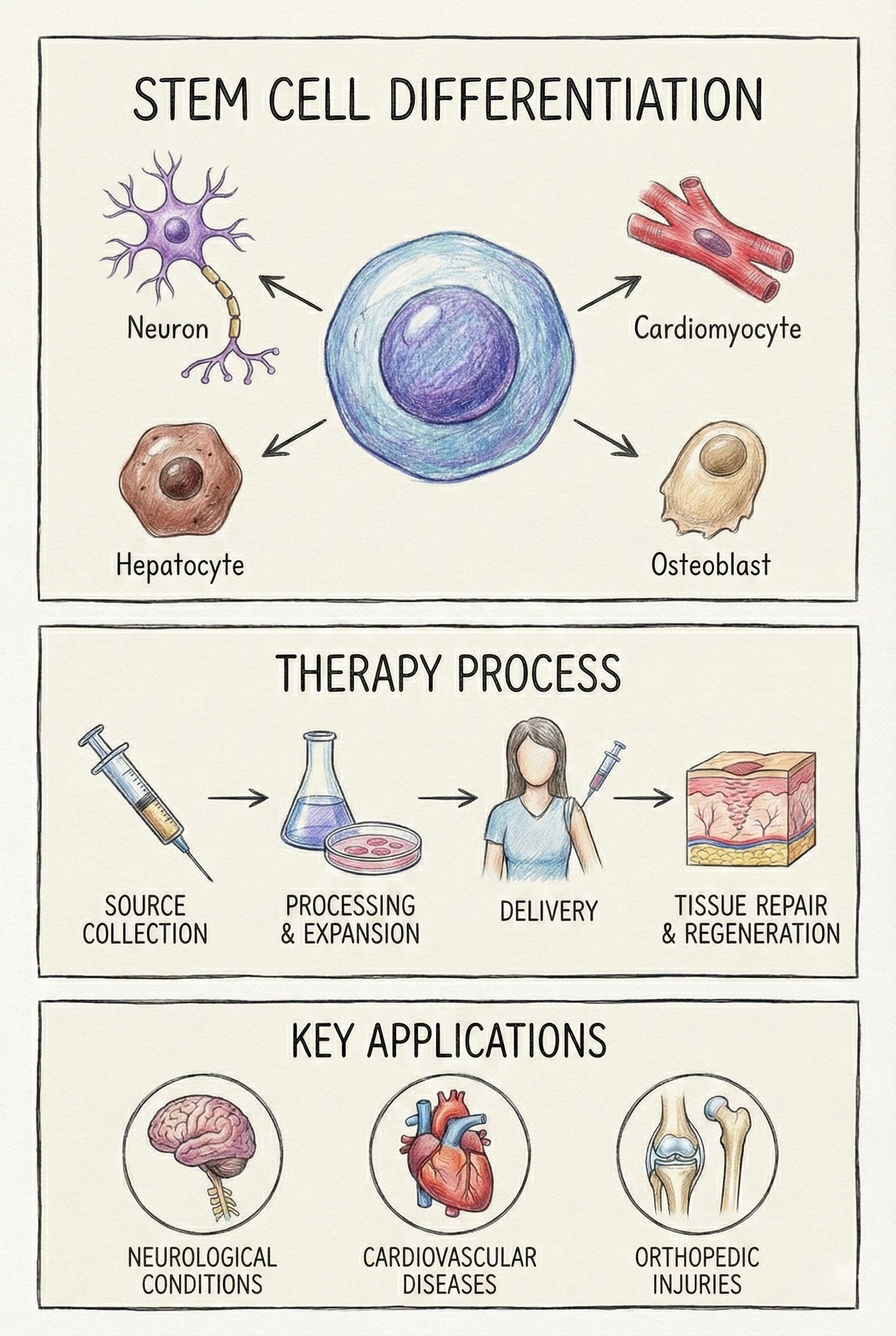
Stem Cell Therapy

SuperKalam is your personal mentor for UPSC preparation, guiding you at every step of the exam journey.
Download the App


STUDY RESOURCES
CONTACT US
ⓒ Snapstack Technologies Private Limited