GS 3: EconomyGS 2: GovernancePrelims
Indian maritime sector has seen historic progress: Modi, Pg10
PM Modi unveils ₹2.2 lakh crore maritime initiatives, highlighting 700% cargo movement surge and port capability doubling.
Practice MCQs
818 Students attempted
Key Highlights:
- PM Modi announced that India's major port capabilities have doubled and cargo movement in inland areas has increased by 700%.
- During India Maritime Week, initiatives worth ₹2.2 lakh crore were launched for shipping and shipbuilding.
- 437 vessels will be acquired as part of the initiatives.
- The Vizhinjam deep water transit hub has become operational.
- JNPT's handling capability has doubled, making it India’s biggest container port.
- 85 countries participated in the India Maritime Week summit.
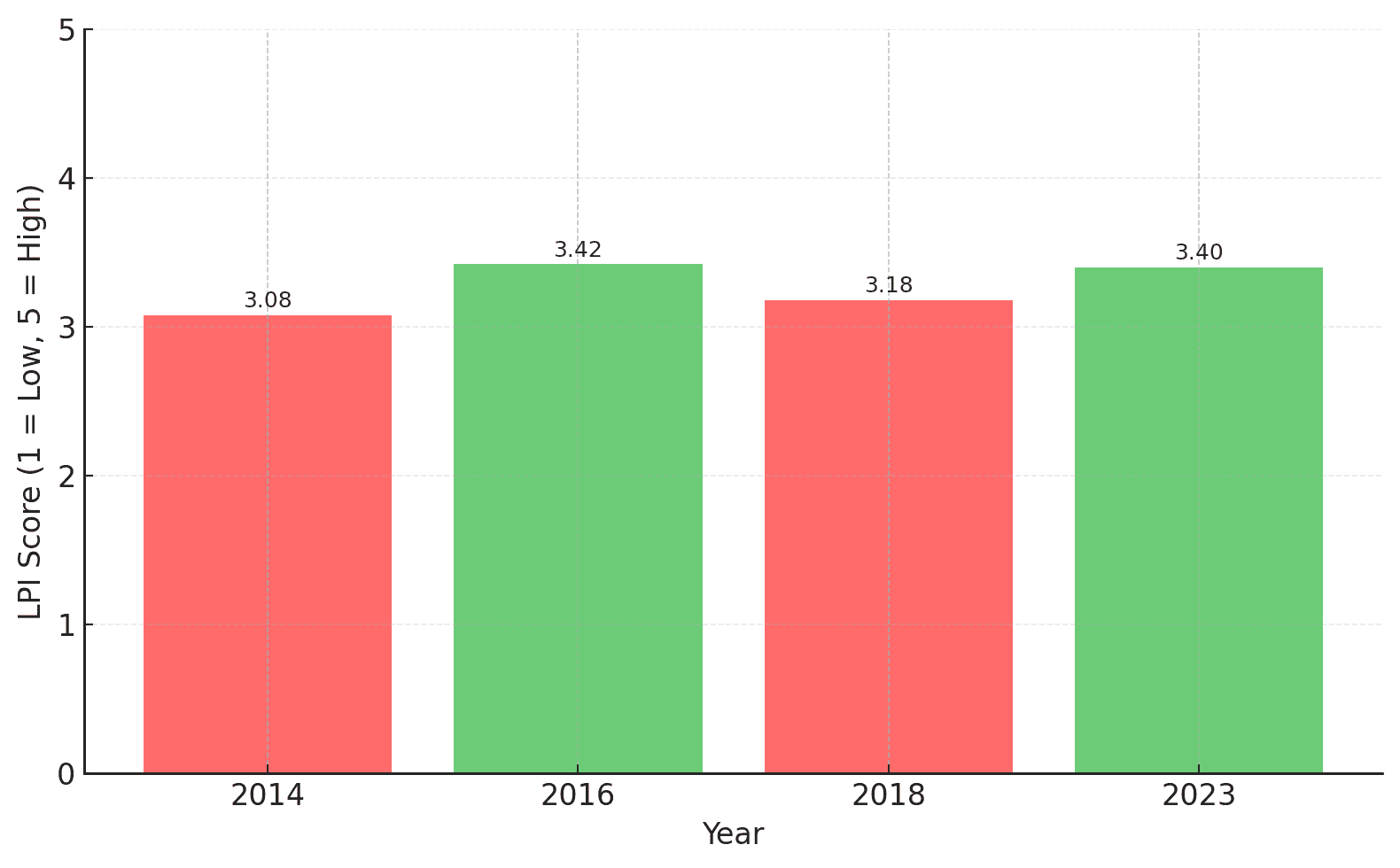
India's LPI performance.png
Detailed Insights:
- The India Maritime Week has evolved into a global summit, indicating growing international confidence in India's maritime sector.
- The government has been actively reforming maritime laws to enhance sustainability, promote digitization, and improve ease of doing business at ports.
- India's improved performance in the World Bank's Logistics Performance Index reflects enhanced efficiency and infrastructure in the port sector.
- The government is prioritizing shipbuilding, offering financial incentives, easy credit, and encouraging Public-Private Partnerships (PPP) to attract investment in the maritime domain.
- The development of ports like Kandla and JNPT highlights India's growing maritime capabilities and their crucial role in global trade.
- India aims to be a steady "lighthouse" in global trade, promoting autonomy and inclusive growth amidst prevailing global tensions.
Key Concepts Involved:
- Public-Private Partnership (PPP): A collaboration between a government agency and a private-sector company to finance, build, and operate projects.
- Logistics Performance Index: A World Bank index that scores countries on trade logistics, infrastructure, and the ease of arranging competitively priced shipments.
- Port-led Industrialization: Development strategy centered around ports to stimulate economic growth in surrounding regions through industrial activities.

SuperKalam is your personal mentor for UPSC preparation, guiding you at every step of the exam journey.
Download the App


STUDY RESOURCES
CONTACT US
ⓒ Snapstack Technologies Private Limited