GS 3: EconomyGS 2: Governance
Petrol, diesel excise duty cut; prices won’t change, Pg1
Government cuts excise duty on petrol and diesel but hikes export duties to aid OMCs amidst rising crude prices.
Practice MCQs
760 Students attempted
Key Highlights:
- The Union government reduced the special additional excise duty on petrol and diesel by ₹10 per liter each on Thursday.
- The duty cut aims to reduce the fiscal burden on oil marketing companies (OMCs) due to rising oil prices, not to lower consumer fuel prices.
- The excise reduction is expected to cost the exchequer ₹7,000 crore over the next 15 days.
- Export duties on diesel were hiked to ₹21.5 per liter and on ATF to ₹29.5 per liter, expected to add ₹1,500 crore to the exchequer.
- OMCs face under-recoveries of about ₹26 for every liter of petrol and ₹81.90 a liter of diesel.
Detailed Insights:
- The government will review the excise rates every two weeks, considering import trends and revenue implications due to the dynamic situation in the energy market.
- The West Asian conflict has pushed Brent crude futures to over $111 per barrel, increasing pressure on domestic fuel prices.
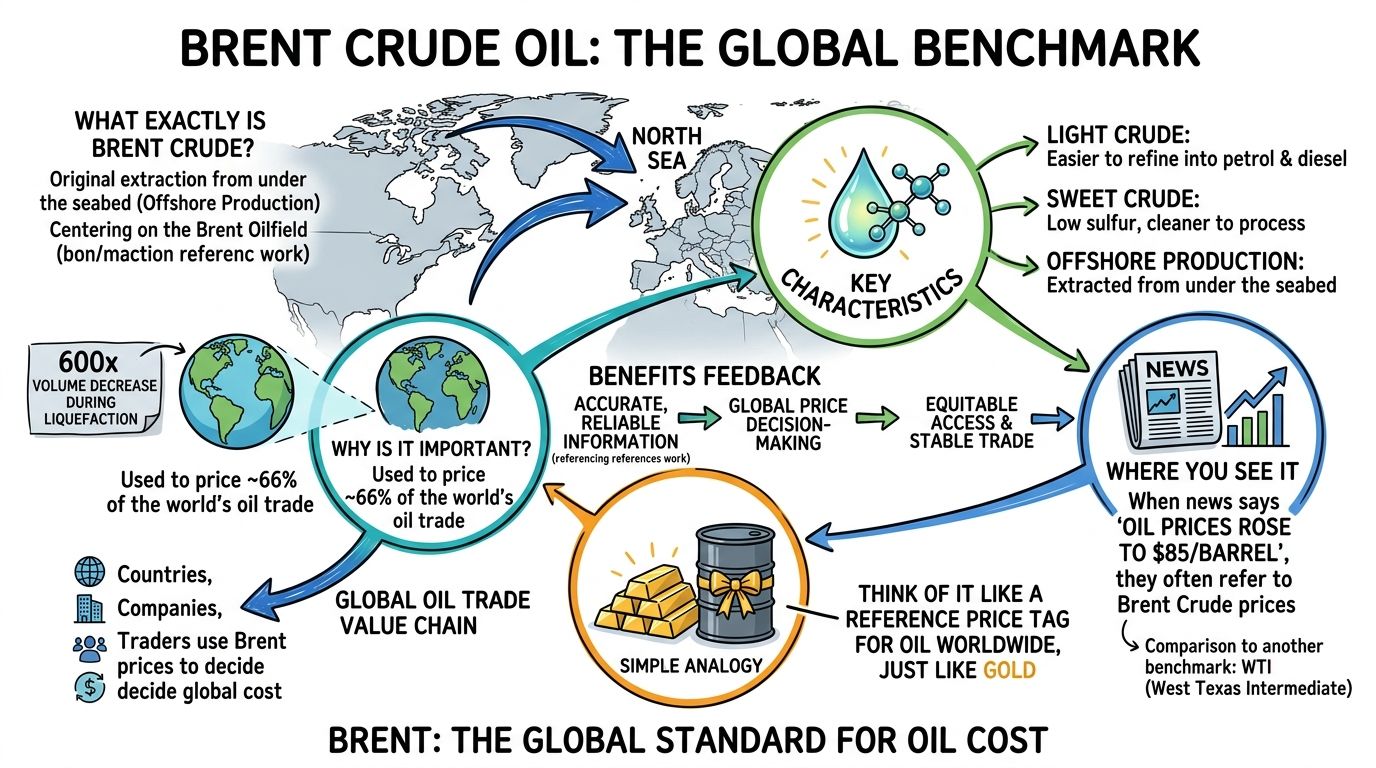
Brent Crude Oil: The global Benchmark
- Despite the excise duty reduction, public sector OMCs are maintaining fuel prices, absorbing losses estimated at ₹24 a liter for petrol and ₹30 a liter for diesel.
- Private firms like Nayara Energy have started increasing petrol prices by ₹3 a liter and diesel prices by ₹5 a liter, passing on higher input costs to consumers.
- The government clarified that there is no proposal for a lockdown due to the fuel crisis, despite the impact of the excise duty reduction on taxation revenues.
Key Concepts Involved:
- Excise Duty: A tax levied on the production or sale of goods within a country.
- OMCs (Oil Marketing Companies): Companies involved in the refining, distribution, and marketing of petroleum products.
- Under-recoveries: Losses incurred by OMCs when selling fuel below the cost of supply.

SuperKalam is your personal mentor for UPSC preparation, guiding you at every step of the exam journey.
Download the App


STUDY RESOURCES
CONTACT US
ⓒ Snapstack Technologies Private Limited