GS 3: Science & TechnologyGS 3: EconomyGS 2: Governance
How BioPharma SHAKTI can transform biologics with non-animal models, PgII
BioPharma SHAKTI initiative aims to revolutionize biologics production using non-animal models, reducing costs and improving drug development timelines.
Practice MCQs
739 Students attempted
Key Highlights:
- The BioPharma SHAKTI strategy, announced in the 2026 Union Budget, aims to boost domestic production of biologics and biosimilars in India.
- Non-animal methodologies (NAMs) like organoids and organ-on-a-chip are being promoted to replace animal testing for biologics development.
- The New Drugs and Clinical Trials (Amendment) Rules 2023 supports the use of NAMs in novel drug development in India.
- Patent evergreening and slow regulatory approvals by the CDSCO pose challenges to the biosimilars market.
Detailed Insights:
- The Northwick Park Tragedy in 2006 highlighted the limitations of using animal models to predict human drug reactions, particularly for monoclonal antibodies (mAbs).
- NAMs offer more human-relevant systems for testing biologics, potentially reducing drug development costs by 10-26% and lead optimization time by 19%.
- BioPharma SHAKTI, with a budget of ₹10,000 crore, can support the development and commercialization of NAMs by academic labs and pharmaceutical companies.
- Challenges to the biologics industry in India include limited investment, lack of investor understanding, and the need for stronger supply chain support.
- Updated guidelines from the CDSCO are needed to expedite the adoption of NAMs in the biologics and biosimilars field.
Key Concepts Involved:
- Biologics: Large, complex drugs produced by living cells, used to treat chronic diseases.
- Biosimilars: Generic versions of biologics, reverse-engineered after the original product's patent expires.
- Non-Animal Methodologies (NAMs): Human-relevant, bioengineered systems like organoids used to replace animal testing.
- Patent Evergreening: Extending the market exclusivity of an original biologic through new patents on modified versions.
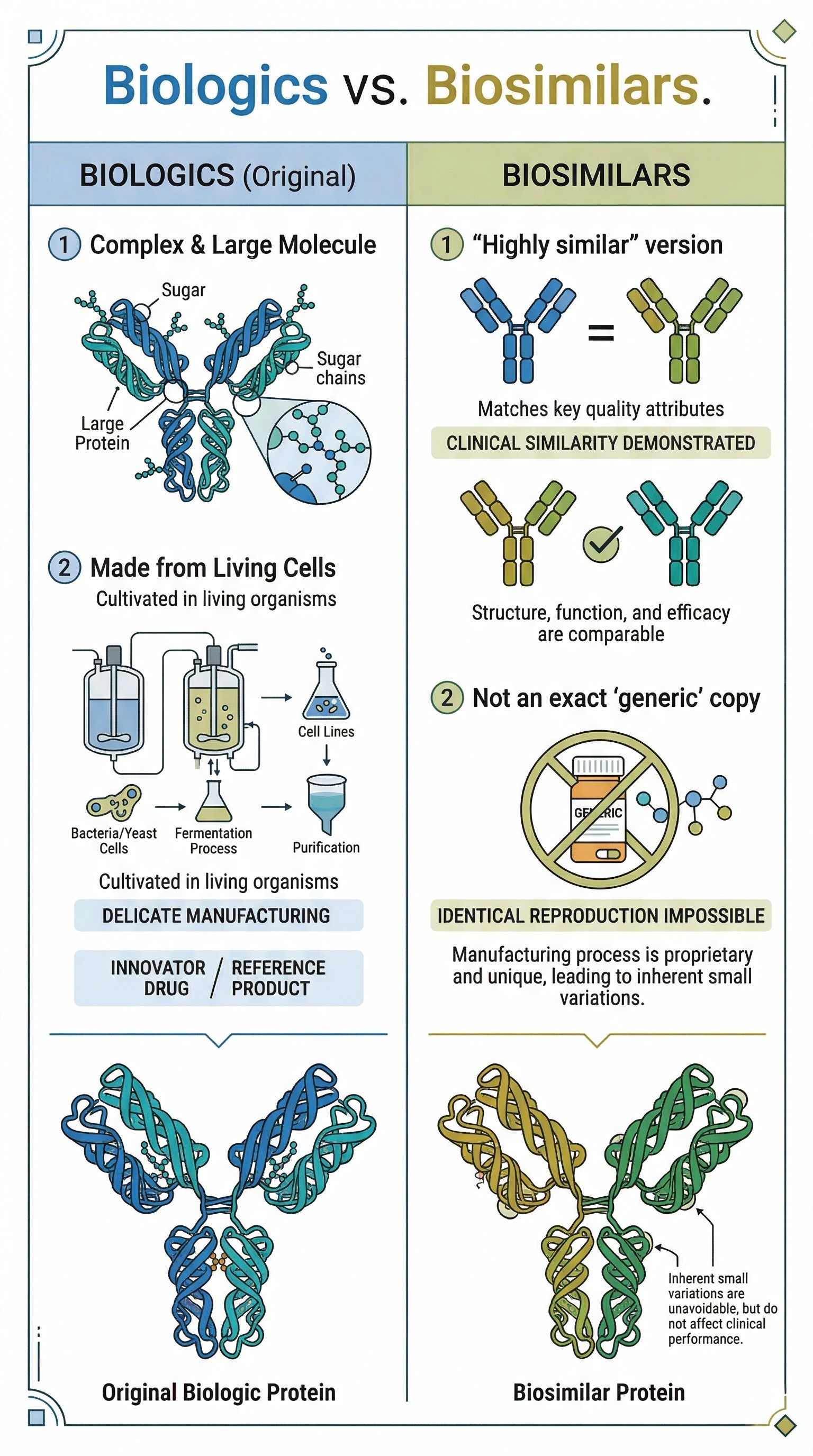
Biologics and Biosimilars

SuperKalam is your personal mentor for UPSC preparation, guiding you at every step of the exam journey.
Download the App


STUDY RESOURCES
CONTACT US
ⓒ Snapstack Technologies Private Limited