GS 2: PolityGS 2: GovernanceEthics
NCERT book ban, a chapter on judicial transparency, Pg6
Supreme Court's NCERT textbook ban raises concerns over judicial overreach, freedom of speech, and transparency in judiciary.
Practice MCQs
876 Students attempted
Key Highlights:
- The Supreme Court of India ordered a ban on an NCERT Class eight social science textbook in February due to passages on judicial delay and corruption.
- The Court cited concerns about selective references to corruption and an underlying agenda to undermine the judiciary's authority.
- The ban has raised concerns about freedom of speech under Article 19 of the Constitution.
- The Court also directed that the persons responsible for preparing the passages should be ‘disassociated’ from future projects by governments and public universities.
Detailed Insights:
- The ban impacts Article 19, which guarantees freedom of speech, restricted only by state laws on specific grounds.
- Judicial orders are not considered 'law' under Article 19, raising questions about the ban's legality.
- The ban raises concerns about whether references to corruption and case backlogs meet the threshold for contempt of court.
- Courts are tasked with reviewing laws that may violate fundamental rights, but citizens lack recourse when courts ban books.
- Transparency International surveys indicate a global perception of judicial corruption, prompting reforms in countries like Kenya.
- The Supreme Court has acknowledged issues of delay and corruption, with judges cautioning against "bad apples."
- The Court has held that judges are "public servants" under the Prevention of Corruption Act, emphasizing the need for honesty.
- The author argues that acknowledging and addressing corruption is crucial for the judiciary's integrity and public trust.
Key Concepts Involved:
- Article 19: Guarantees freedom of speech and expression in India, subject to reasonable restrictions.
- Contempt of Court: Actions that scandalize the court's authority or interfere with judicial proceedings.
- Judicial Review: The power of the judiciary to examine the constitutionality of laws passed by the legislature.
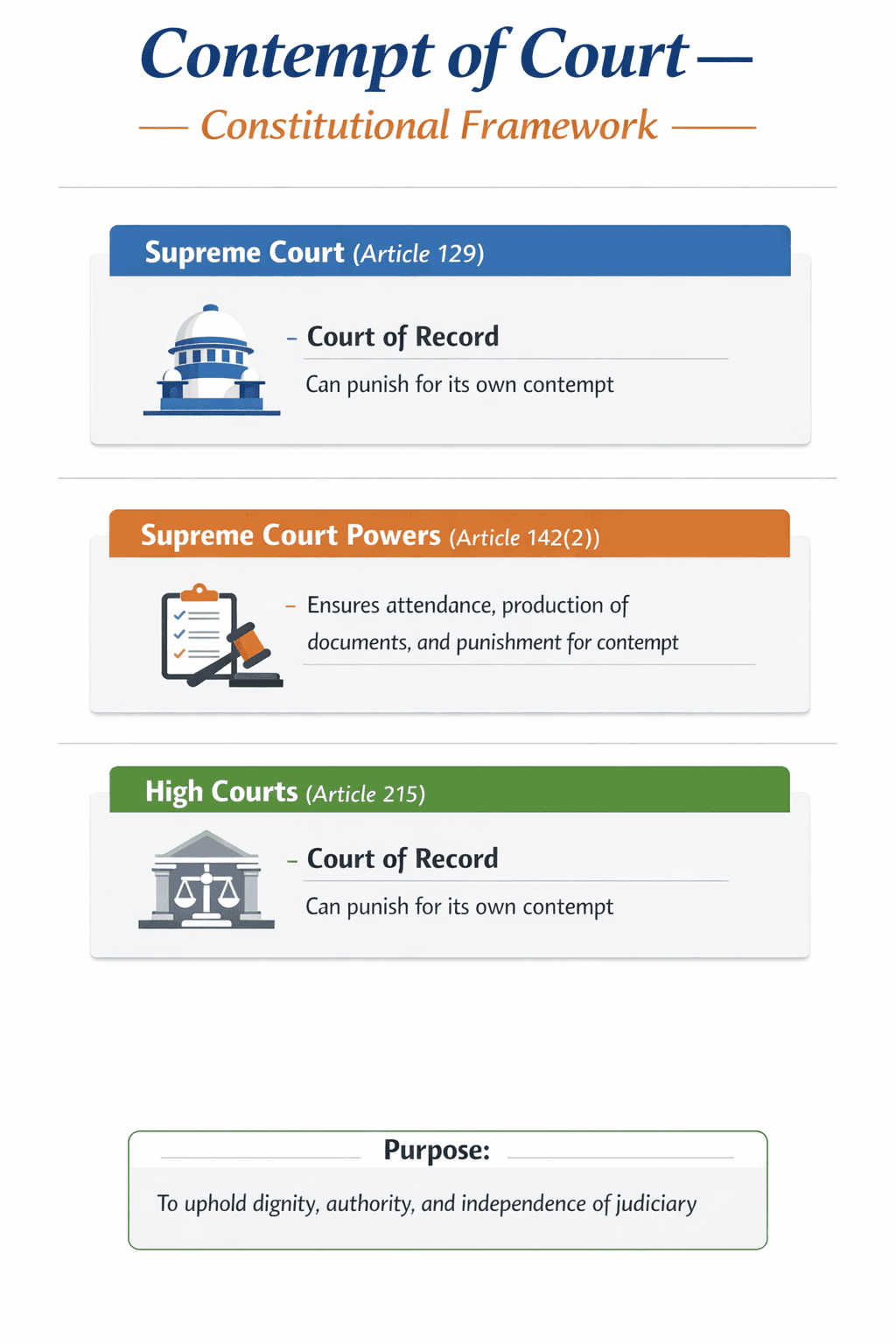
Contempt of Court

SuperKalam is your personal mentor for UPSC preparation, guiding you at every step of the exam journey.
Download the App


STUDY RESOURCES
CONTACT US
ⓒ Snapstack Technologies Private Limited