GS 2: PolityGS 3: Science & TechnologyGS 3: Internal Security
Centre looks to empower more ministries to block social media content, Pg1
Centre to empower Home, External Affairs, Defence, I&B ministries to block social media content under IT Act amid AI concerns.
Practice MCQs
869 Students attempted
Key Highlights:
- The Centre is considering empowering the Ministries of Home Affairs, External Affairs, Defence, and Information and Broadcasting to issue content blocking orders to social media platforms.
- This power is currently held only by the IT Ministry under Section 69 (A) of the Information Technology (IT) Act, 2000.
- The proposed change is driven by the increase in AI-generated misleading content online.
- SEBI has been flagging the issue of incorrect financial information being spread by financial influencers.
Detailed Insights:
- The government is in inter-ministerial discussions to amend the IT Act to allow more ministries to issue content blocking orders.
- Two parallel content blocking mechanisms are currently in place in India.
- Evidence suggests excessive social media use is linked to higher risk of suicidal thoughts and self-harm among adolescents.
- Australia passed legislation in December 2025 raising the minimum age for social media use from 15 to 16.
- The current minimum age of 13 originates from the US’s 1998 Children’s Online Privacy Protection Act, which focused on data collection.
- Social media platforms use engagement-driven designs that can be particularly harmful to children whose brains are still developing.
- A study in India found that nearly half of adolescents felt distressed when their posts did not receive enough “likes”.
- Technology-facilitated child sexual exploitation is expanding worldwide, affecting 300 million children.
- The Annual Status of Education Report 2024 found that nearly 90% of adolescents aged 14-16 have access to a smartphone at home.
- Governments must ensure platform accountability, push for stronger safety-by-design standards, and greater transparency.
Key Concepts Involved:
- Section 69(A) IT Act, 2000: Empowers the government to block public access to information online.
- AI-generated content: Content created using artificial intelligence, which can sometimes be misleading.
- Safety-by-design: Incorporating safety measures and protections into the design of digital platforms from the outset.
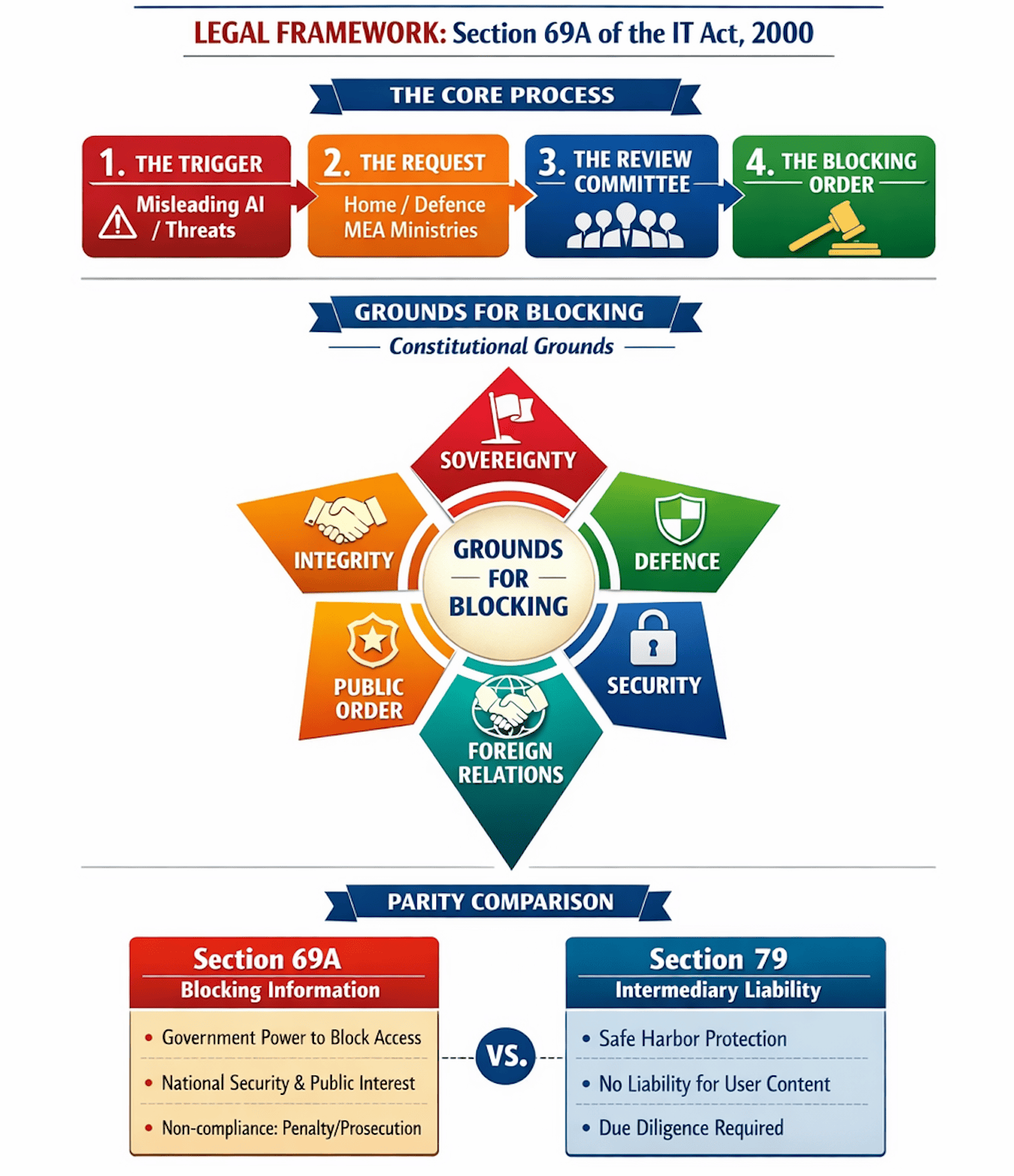
IT Act

SuperKalam is your personal mentor for UPSC preparation, guiding you at every step of the exam journey.
Download the App


STUDY RESOURCES
CONTACT US
ⓒ Snapstack Technologies Private Limited