GS 2: International RelationsGS 2: PolityPrelims
New and raw, Pg8
Delhi hosts Nepal's new leadership for intense talks, navigating territorial disputes and past mistrust to reset crucial bilateral relations, rejecting third-party intervention.
Practice MCQs
833 Students attempted
Key Highlights:
- Recent high-level diplomatic visits between India and Nepal signal an intense outreach between the two nations.
- Nepal Foreign Minister Shisir Khanal visited Delhi, following RSP President Rabi Lamichhane's meetings with top Indian officials.
- These engagements precede an expected India visit by Nepal's new Prime Minister Balen Shah.
- The outreach aims to address tensions following PM Shah's controversial statements on territorial claims and third-party involvement.
- India firmly rejected any third-party role in negotiations, particularly from China.
- Key bilateral issues include border management, water sharing, infrastructure, trade, and energy cooperation.
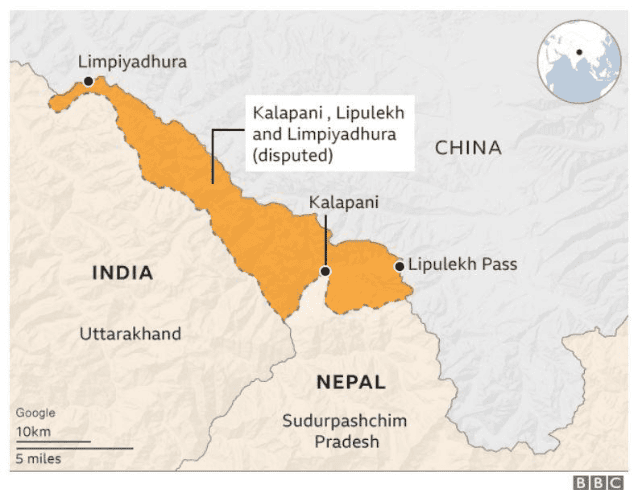
Kalapani region.png
Detailed Insights:
- Nepal's new leadership, including Prime Minister Balen Shah and the RSP, came to power following GenZ protests.
- Rabi Lamichhane, President of the RSP, met with Prime Minister Narendra Modi, External Affairs Minister S. Jaishankar, and other senior Indian officials.
- PM Shah's recent parliamentary address accused India of occupying parts of Nepal and claimed Nepal controlled parts of Indian territory.
- He also indicated Nepal was in communication with the U.K. and China regarding these territorial issues.
- India's Ministry of External Affairs (MEA) emphasized that bilateral issues should be resolved solely between India and Nepal.
- The Kailash Mansarovar Yatra route through disputed areas like Limpiyadhura and Lipulekh is expected to reignite territorial discussions.
- The India-Nepal agenda is comprehensive, encompassing border management, water sharing agreements, infrastructure development, trade, and energy sharing.
- Historical mistrust, notably from the 2015 Nepal Constitution friction and trade blockade, necessitates careful diplomatic engagement from both sides.
- The current political shifts in South Asia offer an opportunity for India to re-evaluate its discourse and partnership framework with neighboring countries.
Key Concepts Involved:
- Diplomatic Outreach: Efforts by countries to engage with each other through official channels to improve relations or resolve issues.
- Territorial Disputes: Disagreements between states over the ownership or control of land areas.
- Third-Party Mediation: Involvement of an impartial third party to facilitate negotiations and resolve disputes between two other parties.
- Trade Blockade: An act of economic warfare or political pressure to prevent goods from entering or leaving a country or region.

SuperKalam is your personal mentor for UPSC preparation, guiding you at every step of the exam journey.
Download the App


STUDY RESOURCES
CONTACT US
ⓒ Snapstack Technologies Private Limited