GS 2: International RelationsGS 1: World HistoryGS 2: Social Justice
Crisis in Sudan: Current trigger, old faultlines, and the human cost, Pg14.
Sudan's escalating civil war triggers mass displacement, famine, and human rights abuses amid power struggles and international interference.
Practice MCQs
840 Students attempted
Key Highlights:
- On April 15, 2023, clashes between the Sudanese Armed Forces (SAF), led by General Abdel Fattah al-Burhan, and the Rapid Support Forces (RSF), under General Mohamed Hamdan Dagalo (Hemedti), triggered a major crisis in Sudan.
- The conflict has reportedly caused over 150,000 deaths and displaced nearly 13 million Sudanese people, with 8.8 million internally displaced and 3.5 million fleeing across borders.
- Famine was officially confirmed in parts of Darfur in August 2024, especially in the Zamzam IDP camp.
- The SAF-RSF rivalry is rooted in historical, ethnic, and economic divides, with international actors allegedly providing covert support to both sides.
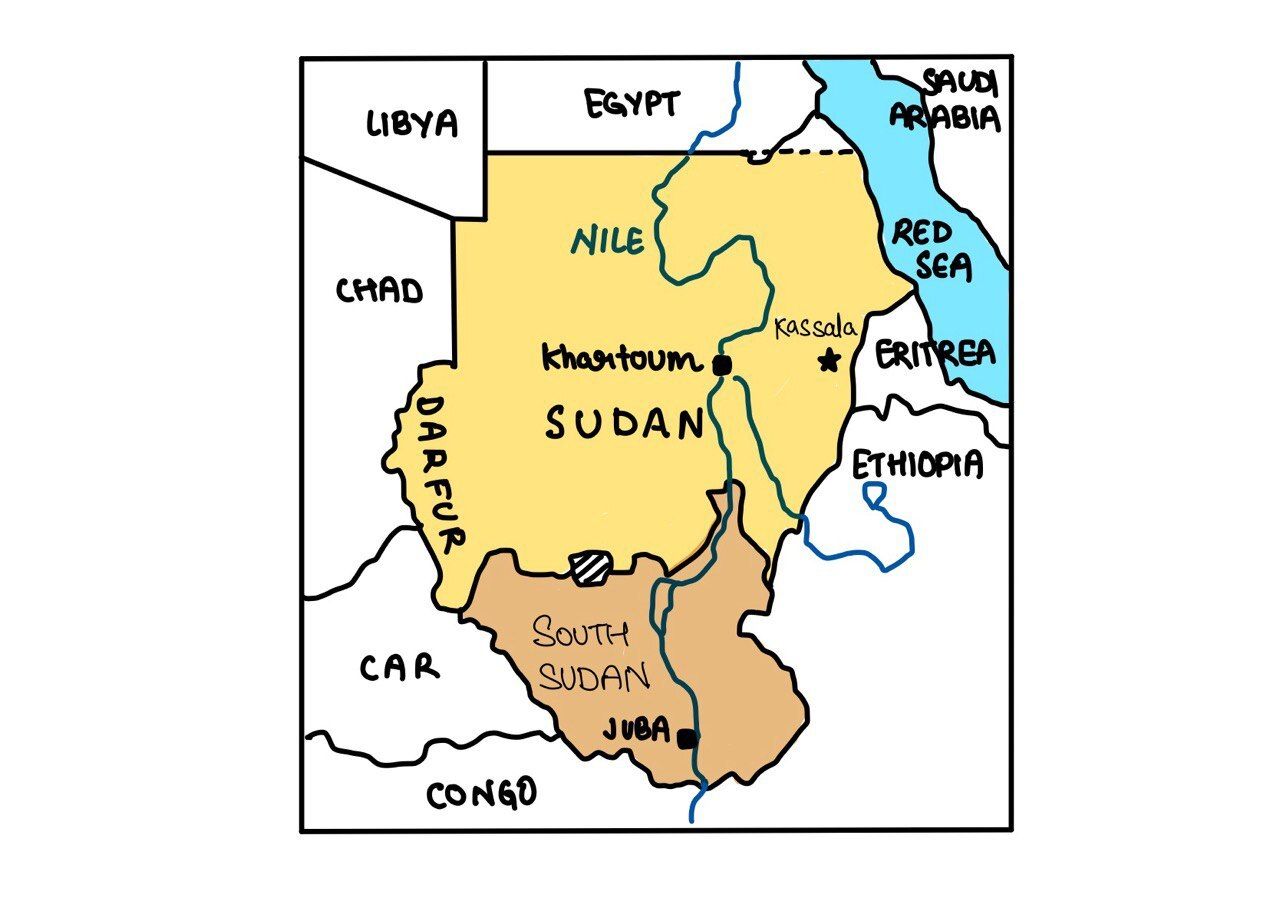
Sudan
Detailed Insights:
- The conflict evolved from a power struggle into a brutal civil war, devastating the nation’s economy and fracturing its society.
- Even before the war, over 3 million women and girls in Sudan were at risk of gender-based violence, which has been exacerbated by the current chaos.
- The RSF has origins in the Janjaweed militias involved in the Darfur conflict of the early 2000s, which has reignited ethnic mistrust and displacement.
- Control over fertile land, gold mines, and Red Sea trade routes has become a strategic prize, with the RSF controlling gold fields and the SAF controlling strategic ports.
- The ouster of Omar al-Bashir in 2019 initially sparked optimism for democratic change, but a military coup in 2021 dissolved the transitional government.
Key Concepts Involved:
- Internally Displaced Persons (IDP): Individuals who have been forced to leave their homes but remain within their country's borders.
- Gender-Based Violence: Violence directed against a person based on their gender, often disproportionately affecting women and girls.
- Proxy War: A conflict where opposing sides use third parties as substitutes instead of fighting each other directly.

SuperKalam is your personal mentor for UPSC preparation, guiding you at every step of the exam journey.
Download the App


STUDY RESOURCES
CONTACT US
ⓒ Snapstack Technologies Private Limited