GS 3: Science & TechnologyGS 3: Environment & EcologyPrelims
Can antibiotics work again?, Pg17
IIT Bombay's breakthrough: Re-engineering old antibiotics using DNA aptamers and liposomes to combat antimicrobial resistance, potentially saving lakhs of lives.
Practice MCQs
790 Students attempted
Key Highlights:
- IIT Bombay researchers have discovered a method to restore the effectiveness of older macrolide antibiotics like azithromycin and erythromycin.
- The approach uses DNA aptamers to block Erm enzymes, which bacteria use to resist these antibiotics.
- Liposomes, or fat bubbles, are used to deliver the aptamers into bacterial cells, overcoming degradation and membrane crossing issues.
- Tests on antibiotic-resistant Staphylococcus aureus showed over 90% uptake of aptamers via liposomes, significantly increasing bacterial cell death when combined with antibiotics.
Detailed Insights:
- The rising antimicrobial resistance led to an estimated 2.6 lakh deaths in India in 2021, highlighting the urgent need for solutions.
- Macrolide antibiotics target bacterial ribosomes, but bacteria develop resistance by using Erm enzymes to modify the ribosome.
- The IIT-B team re-engineered DNA aptamers to specifically bind with the Erm42 enzyme, preventing it from modifying the ribosome.
- Liposomes are used to protect and deliver the aptamers into bacterial cells, enhancing stability and promoting membrane fusion.
- This method offers a way to extend the lifespan of existing antibiotics, reducing the need for the lengthy and costly development of new drugs.
- Between 2017 and 2022, only a dozen new antibiotics were introduced, many being derivatives of existing drugs, making them susceptible to resistance.
- This research marks a shift towards preserving and enhancing the effectiveness of existing drugs to combat antimicrobial resistance.
Scientific/Technical Concepts Involved:
- Antibiotic Resistance: The ability of bacteria to withstand the effects of an antibiotic.
- Ribosome: A complex molecular machine found within all living cells that produces proteins.
- Enzymes: Proteins that act as biological catalysts, speeding up chemical reactions in cells.
- Aptamers: Short strands of DNA or RNA that can bind to specific target molecules.
- Liposomes: Spherical vesicles made of a lipid bilayer used to deliver drugs or genetic material into cells.
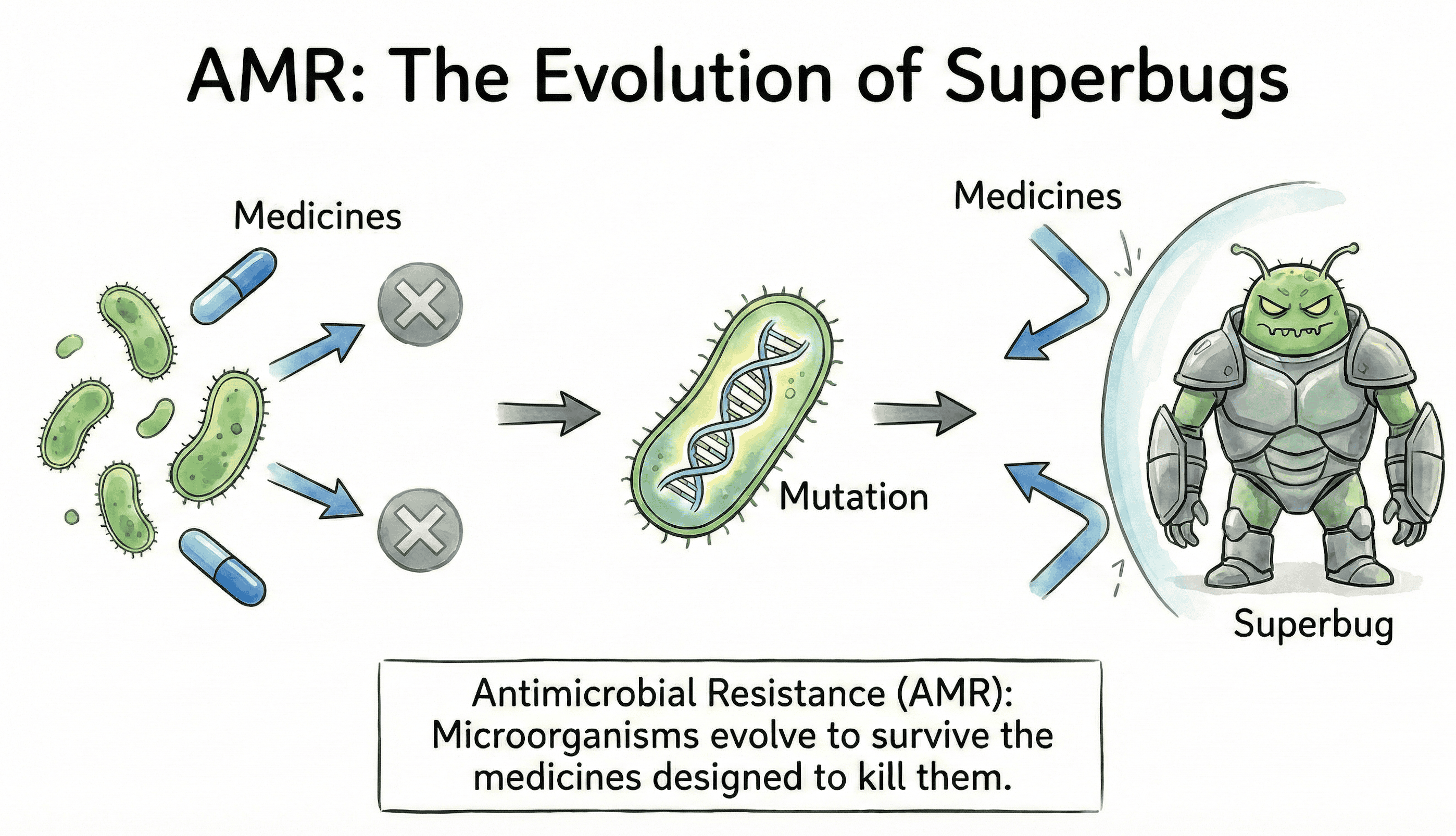
AMR.png

SuperKalam is your personal mentor for UPSC preparation, guiding you at every step of the exam journey.
Download the App


STUDY RESOURCES
CONTACT US
ⓒ Snapstack Technologies Private Limited