GS 2: International RelationsGS 3: Disaster ManagementGS 2: Governance
As quake hits Afghanistan, India reaches out to Taliban govt, sends aid, Pg1.
India provides aid to Afghanistan after earthquake, reaffirming commitment to Afghan people and improving bilateral relations with Taliban regime.
Practice MCQs
819 Students attempted
Key Highlights:
- A 6.3 magnitude earthquake struck northern Afghanistan on Monday, resulting in at least 20 deaths and over 500 injuries.
- India promptly offered condolences to the Taliban regime and dispatched relief materials, including 15 tonnes of food and medicines.
- EAM S Jaishankar spoke with Afghan FM Amir Khan Muttaqi, weeks after the Taliban leader's visit to India in early October, discussing bilateral relations and regional issues.
- The earthquake's epicenter was located 22 kilometers west-southwest of Khulm at a depth of 28 kilometers, according to the US Geological Survey.
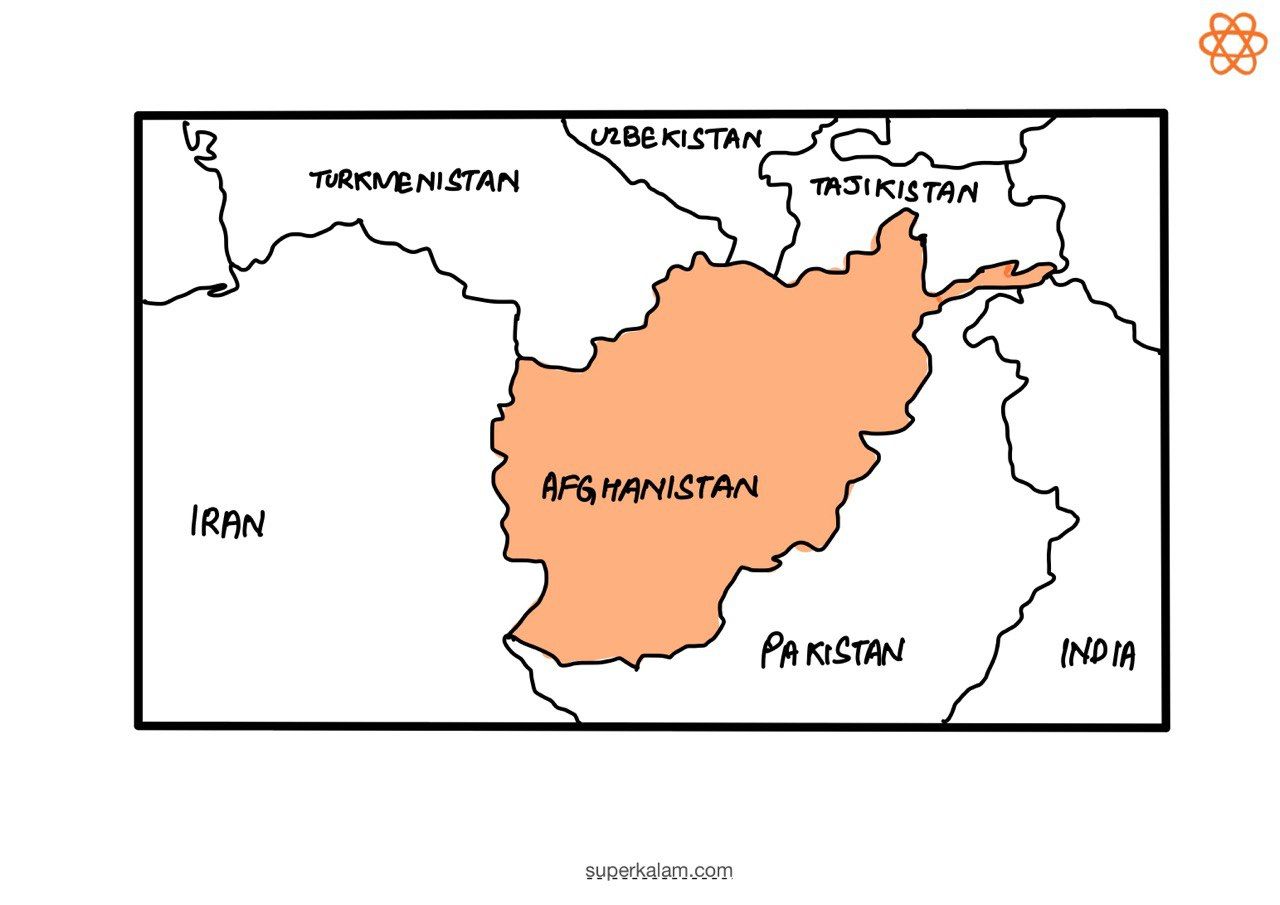
Afghanistan.jpg
Detailed Insights:
- India's aid includes wheat flour, rice, cooking oil, sugar, salt, lentils, beans, peas, tea, and soap, reaffirming its support for the Afghan people.
- The Ministry of Defence in Kabul reported that rescue teams were deployed to the most affected provinces, Balkh and Samangan, to assist the injured.
- Prior to the earthquake, India donated over 16 tonnes of anti-vector-borne disease medicines and diagnostic kits to Afghanistan, aimed at combating diseases like malaria and dengue.
- The recent aid underscores India's commitment to supporting Afghanistan's health sector, strengthening bilateral cooperation in public health and disease prevention.
Key Concepts Involved:
- Humanitarian Aid: Assistance provided to alleviate suffering and maintain human dignity during emergencies.
- Bilateral Relations: Interactions and relationships between two countries, covering political, economic, and cultural aspects.
- Vector-Borne Diseases: Illnesses transmitted by insects or other arthropods, such as mosquitoes, ticks, and fleas.

SuperKalam is your personal mentor for UPSC preparation, guiding you at every step of the exam journey.
Download the App


STUDY RESOURCES
CONTACT US
ⓒ Snapstack Technologies Private Limited