GS 1: Physical GeographyGS 3: Disaster ManagementPrelims
Cyclone brings heavy rain to Bombay, Pg9
Cyclone lashes Bombay with heavy rain, disrupting transport; Colaba Observatory warns of phenomenal seas and six-meter storm surge.
Practice MCQs
782 Students attempted
Key Highlights:
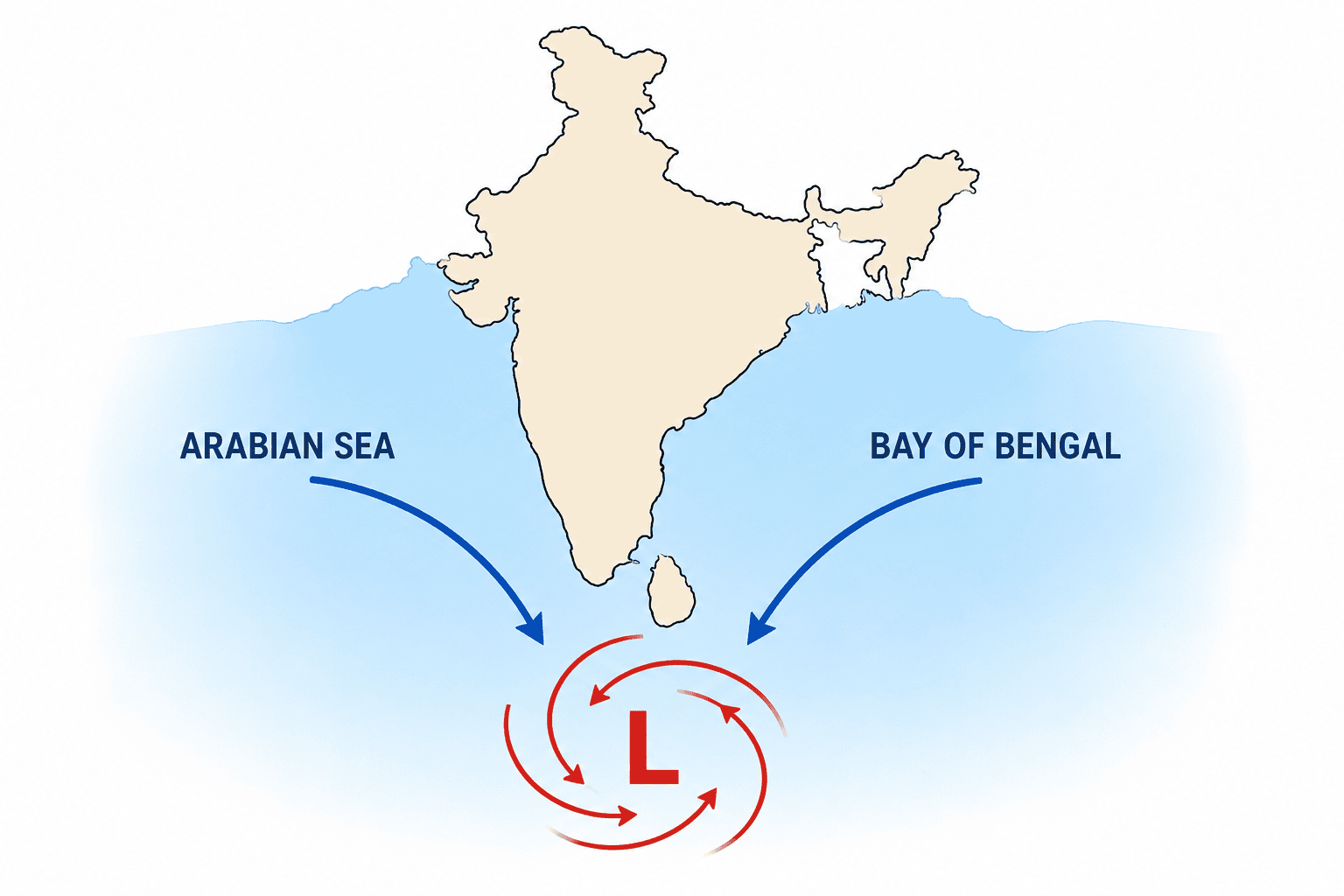
- On June 2, 1926, Bombay (now Mumbai) and its suburbs experienced heavy rain and gusty winds due to a cyclone in the Arabian Sea.
- The cyclone was located approximately 180 km west of Bombay.
- Significant rainfall was recorded, with Colaba receiving 30.2 mm between 2 a.m. and 8:30 a.m.
- The weather event severely impacted shipping in Bombay harbour and caused rail disruptions due to snapped overhead cables.
- The Colaba Observatory issued a warning for "very high to phenomenal" seas and a potential six-meter storm surge.
- The storm was projected to move in a north-northeast direction along the South Gujarat coast.
cyclone.png
Detailed Insights:
- The heavy rainfall and strong winds caused widespread disruption, particularly affecting thousands of commuters in Bombay.
- Rainfall figures varied across the city, with Santacruz recording 3.8 mm and Worli 18 mm during the early morning hours.
- The Colaba Observatory, established in the early 19th century, played a crucial role in monitoring weather patterns and issuing forecasts for the region.
- Disruptions to rail communications were noted, specifically near Andheri, where overhead cables were damaged, leading to train delays.
- The forecast of a six-meter storm surge highlighted the severe risk of coastal inundation and potential damage to low-lying areas.
- Coastal cities in India, including Mumbai, are increasingly vulnerable to the combined impacts of cyclones, extreme rainfall, and rising sea levels.
- Historically, cyclones forming in the Arabian Sea often track towards Oman or Gujarat, making direct hits on Mumbai less frequent but still a significant threat.
Scientific/Technical Concepts Involved:
- Cyclone: A large-scale weather system characterized by a low-pressure center and inward-spiraling winds, bringing heavy rain and strong winds.
- Storm Surge: An abnormal rise in sea level caused by a storm's winds pushing water onshore, significantly exceeding the normal tide.
- Colaba Observatory: A historic meteorological, geomagnetic, and astronomical observatory in Mumbai, crucial for weather forecasting and scientific research.
- Arabian Sea: A part of the Indian Ocean, known for cyclonic activity, which can impact India's western coast.

SuperKalam is your personal mentor for UPSC preparation, guiding you at every step of the exam journey.
Download the App


STUDY RESOURCES
CONTACT US
ⓒ Snapstack Technologies Private Limited