GS 2: International Relations
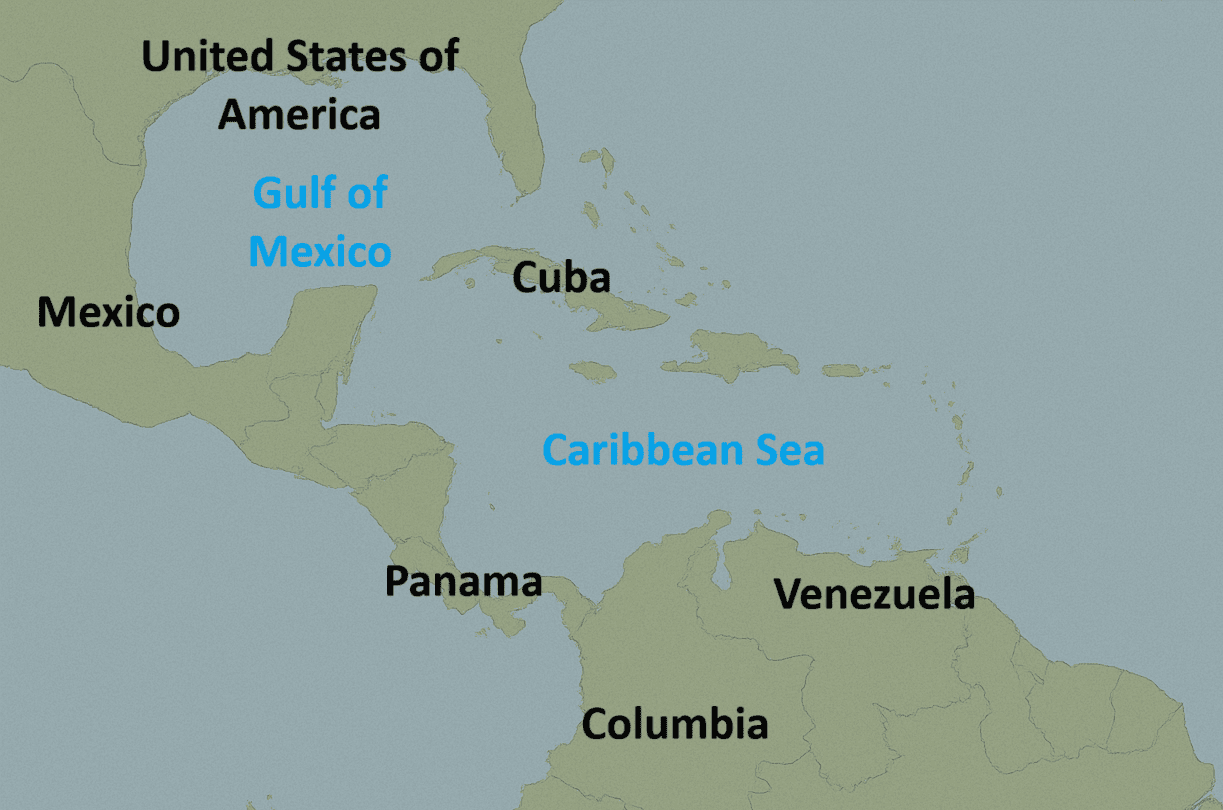
With Maduro in his sights, Trump is building up troops in the Caribbean, Pg 15.
The article analyzes escalating U.S. military activity in the Caribbean under Donald Trump’s administration, directed at Venezuelan President Nicolás Maduro, accused of narco-trafficking and corruption. It reflects renewed U.S. interventionism in Latin America amidst shifting regional politics.
Practice MCQs
804 Students attempted
Key Highlights:
- The U.S. Attorney-General announced a $50 million bounty for information leading to Maduro’s capture, doubling the previous reward.
- The Trump administration accused Maduro of heading the Cartel de los Soles, a Venezuelan military-linked drug cartel.
- Over 10,000 U.S. troops have been deployed across the Caribbean, including warships, submarines, and surveillance aircraft.
- U.S. forces have conducted air and naval strikes on alleged drug smuggling boats, reportedly killing 57 people.
- Venezuela’s deep ties with Russia, China, and Iran complicate the geopolitical dynamics.
- Trump’s campaign coincides with U.S. efforts to weaken left-wing governments and support right-wing regimes in Latin America.
Gulf of Mexico.png
Detailed Insights:
- Target and Intent:
- The troop buildup signals that the Maduro regime is the key U.S. target under the guise of counter-narcotics operations.
- Venezuela’s territory and coastal waters have long been accused of serving as drug transit routes from Colombia to global markets.
- Background and Context:
- Maduro, successor to Hugo Chávez, is accused of creating a hierarchical, corruption-driven narco-political network controlling drug routes and influencing military elites.
- Washington alleges cartel ties with Tren de Aragua and Sinaloa Cartel, though direct proof of Maduro’s involvement remains unsubstantiated.
- Military Strategy:
- The U.S. has deployed F-35 fighters, B-1 bombers, and MQ-9 drones to Puerto Rico and nearby bases to monitor and deter Venezuela.
- This is the largest U.S. military presence in the Caribbean since the Cold War, suggesting coercive diplomacy through power projection.
- Regional Implications:
- The move fits into a wider U.S. policy of sanctions and regime containment, targeting socialist governments across Latin America.
- It reflects a continuation of Monroe Doctrine-era interventionism, adapted to contemporary geopolitical challenges involving Russia and China.
- The crisis deepens regional instability, affecting trade, migration, and maritime security in the Caribbean.
- Political Dynamics:
- Trump’s actions are partly motivated by domestic electoral considerations, projecting toughness on foreign policy.
- The reinvigorated Venezuelan opposition, led by María Corina Machado, receives indirect U.S. backing.
- Despite economic collapse and international isolation, Maduro retains control with military and militia support.
Scientific/Technical Concepts Involved:
- B-1 Lancer Bomber: Long-range, supersonic U.S. bomber capable of carrying heavy conventional payloads, central to the air deterrence strategy.
- MQ-9 Reaper Drone: Unmanned aerial vehicle used for reconnaissance and precision strikes, enabling surveillance in contested zones.
- Narco-Trafficking Network: Transnational organized system for illegal drug production and distribution, often involving state-linked actors.
Previous14/14

SuperKalam is your personal mentor for UPSC preparation, guiding you at every step of the exam journey.
Download the App


STUDY RESOURCES
CONTACT US
ⓒ Snapstack Technologies Private Limited