GS 2: Social JusticeGS 3: EconomyPrelims
Health survey calls for a nutrition rethink, Pg10
NFHS VI reveals alarming rise in diabetes and obesity, highlighting India's double burden of malnutrition and metabolic diseases.
Practice MCQs
775 Students attempted
Key Highlights:
- National Family Health Survey VI reveals that 1 in 6 Indians have high sugar levels.
- Nearly 30% of Indians are now classified as obese, contributing to a metabolic disease cycle.
- India faces a double-disease burden with both malnutrition and obesity prevalent.
- Over 80% of infants aged 6-23 months do not receive an adequate diet.
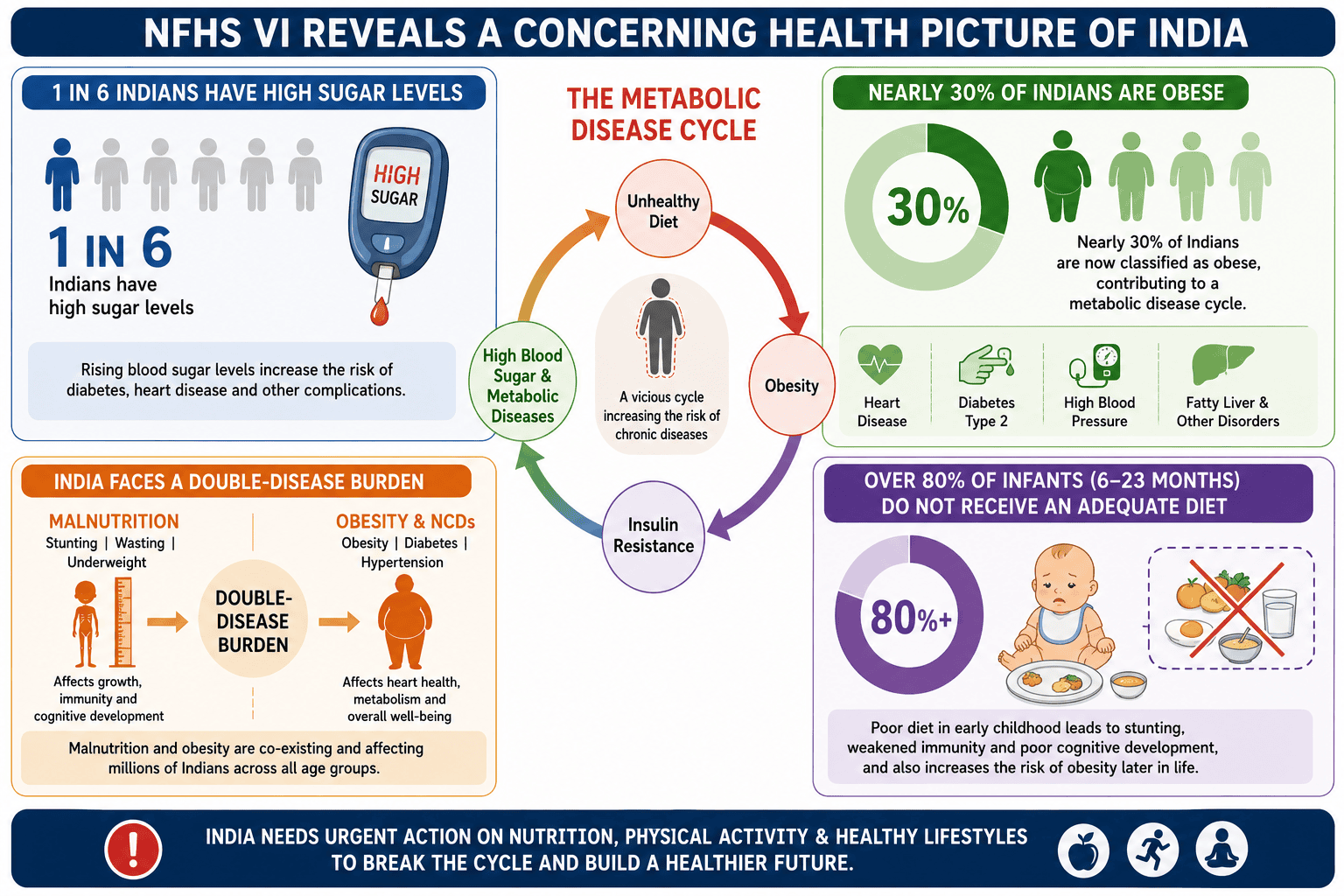
NFHS Data.png
Detailed Insights:
- India is experiencing an epidemiological shift with a rise in lifestyle-related diseases like diabetes and cardiovascular issues, similar to other developing nations.
- The challenge is compounded by the persistence of undernutrition, creating a complex double-disease burden.
- Government policies have focused on increasing calorie intake, often at the expense of nutritional diversity, leading to diets high in refined carbohydrates and processed foods.
- A Comprehensive Nutritional Survey indicated that 35% of children have adult-level triglycerides, increasing their risk of metabolic and cardiovascular diseases.
- Current nutrition programs need to better understand the influence of families, especially mothers, on children’s food intake, moving beyond supply-side interventions.
Key Concepts Involved:
- Epidemiological Shift: A change in the pattern of disease, with a decline in infectious diseases and a rise in chronic, lifestyle-related conditions.
- Double-Disease Burden: The simultaneous presence of both undernutrition and overnutrition-related diseases in a population.
- Triglycerides: A type of fat in the blood; high levels can increase the risk of heart disease and other health problems.

SuperKalam is your personal mentor for UPSC preparation, guiding you at every step of the exam journey.
Download the App


STUDY RESOURCES
CONTACT US
ⓒ Snapstack Technologies Private Limited