GS 2: International RelationsGS 3: Environment & EcologyPrelimsGS 3: Conservation, Pollution and DegradationGS 2: Effect of Policies and Politics of Developed and Developing Countries on India's Interests
USEPA, now a voice for climate denialism, Pg13
US EPA rolls back Obama-era climate rules, undermining GHG emission limits and endorsing fossil fuels under Trump administration.
Practice MCQs
833 Students attempted
Key Highlights:
- The USEPA has rolled back the Obama-era Endangerment Finding, a rule that required the agency to consider the harm caused by GHGs.
- The Trump administration has withdrawn key subsidies for electric vehicles and renewables.
- The USEPA's head stated that automakers will not be pressured to shift their fleet composition towards EVs.
- The rollback potentially clears the way for the EPA to repeal limits on GHGs from power plants and oil and gas wells.
- Renewable energy use is at an all-time high globally, despite waning enthusiasm around net-zero targets in parts of the developed world.
Detailed Insights:
- The Endangerment Finding previously mandated the USEPA to use scientific knowledge regarding the environmental and public health impacts of GHGs.
- The Trump administration formed a panel of scientists challenging the widely accepted science on the impacts of GHGs.
- Transport is the largest source of GHG emissions in the US, and the transition to EVs is not happening quickly enough to offset emissions from fossil fuels.
- The USEPA's decision contradicts global efforts to mitigate global warming, even as renewable energy use reaches record levels.
- Declining enthusiasm for net-zero targets is partly due to misinformation and a failure to communicate the economic benefits and fairness of sustainability.
Key Concepts Involved:
- GHGs (Greenhouse Gases): Gases that trap heat in the atmosphere and contribute to global warming.
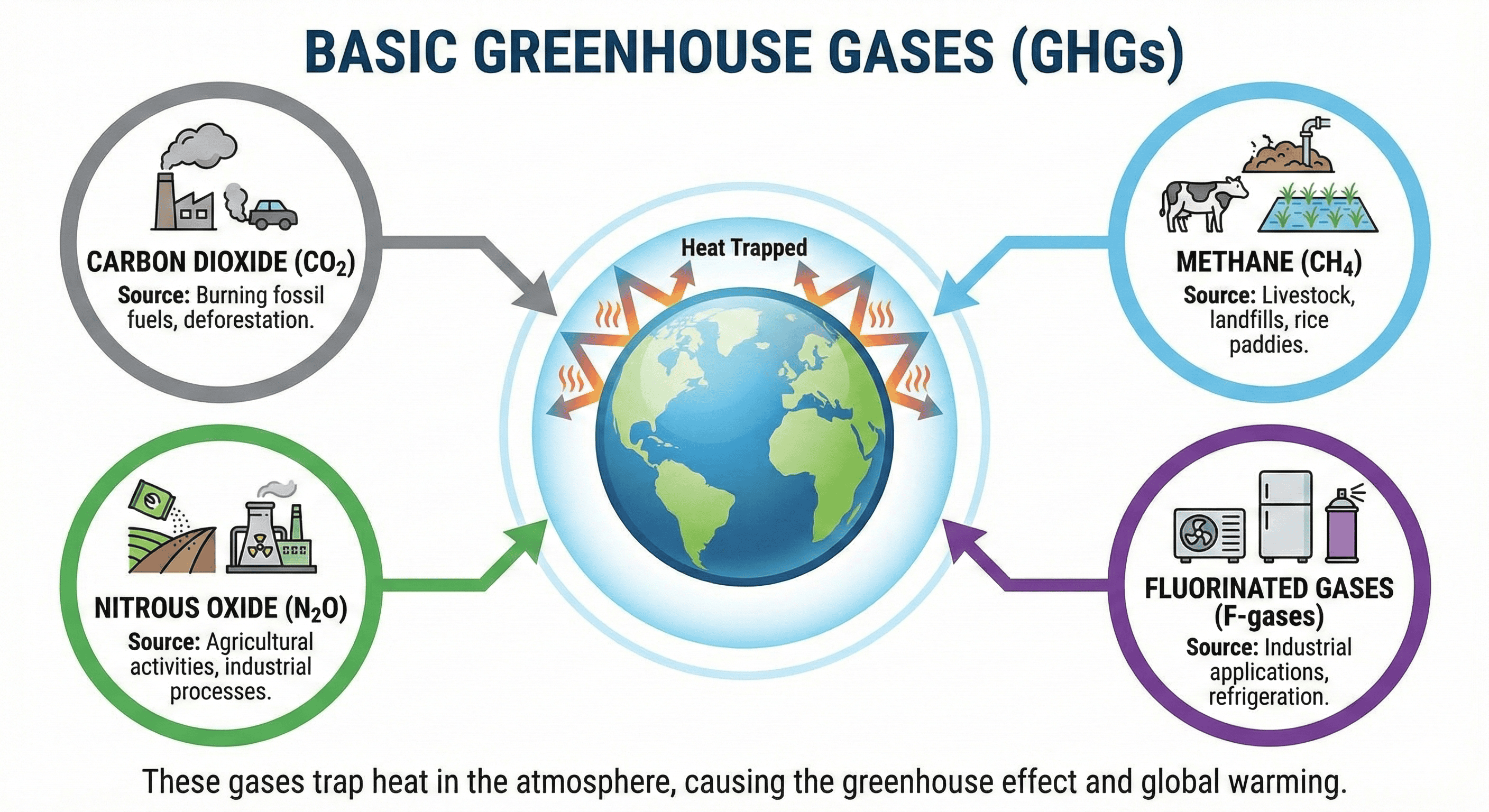
GHGs
- Endangerment Finding: A legal finding that air pollutants, such as greenhouse gases, endanger public health and welfare.
- Net-Zero Targets: Goals to achieve an overall balance between emissions produced and emissions taken out of the atmosphere.

SuperKalam is your personal mentor for UPSC preparation, guiding you at every step of the exam journey.
Download the App


STUDY RESOURCES
CONTACT US
ⓒ Snapstack Technologies Private Limited