GS 2: International RelationsGS 1: Art & CulturePrelimsGS 1: ArchitectureGS 1: Art Forms
Smithsonian's return of Indian bronzes is a step forward for restitution efforts, Pg19
Smithsonian returns three Chola and Vijayanagar bronzes to India, boosting global cultural restitution efforts and museum ethics.
Practice MCQs
811 Students attempted
Key Highlights:
- The Smithsonian National Museum of Asian Art (NMAA) will return three bronze sculptures to India, including Shiva Nataraja, Somaskanda, and Saint Sundarar with Paravai.
- The sculptures were determined to have been illegally removed from temple settings in India.
- Two bronzes will be repatriated, while Shiva Nataraja will remain at the museum on long-term loan.
- In 2024, the US returned 297 antiques to India, including terracotta, stone, and metal artifacts.
Detailed Insights:
- The sculptures, originally used in temple processions, showcase the artistry of South Indian bronze casting.
- Shiva Nataraja depicts Lord Shiva's dance of bliss and belonged to the Sri Bhava Aushadesvara Temple in Tamil Nadu.
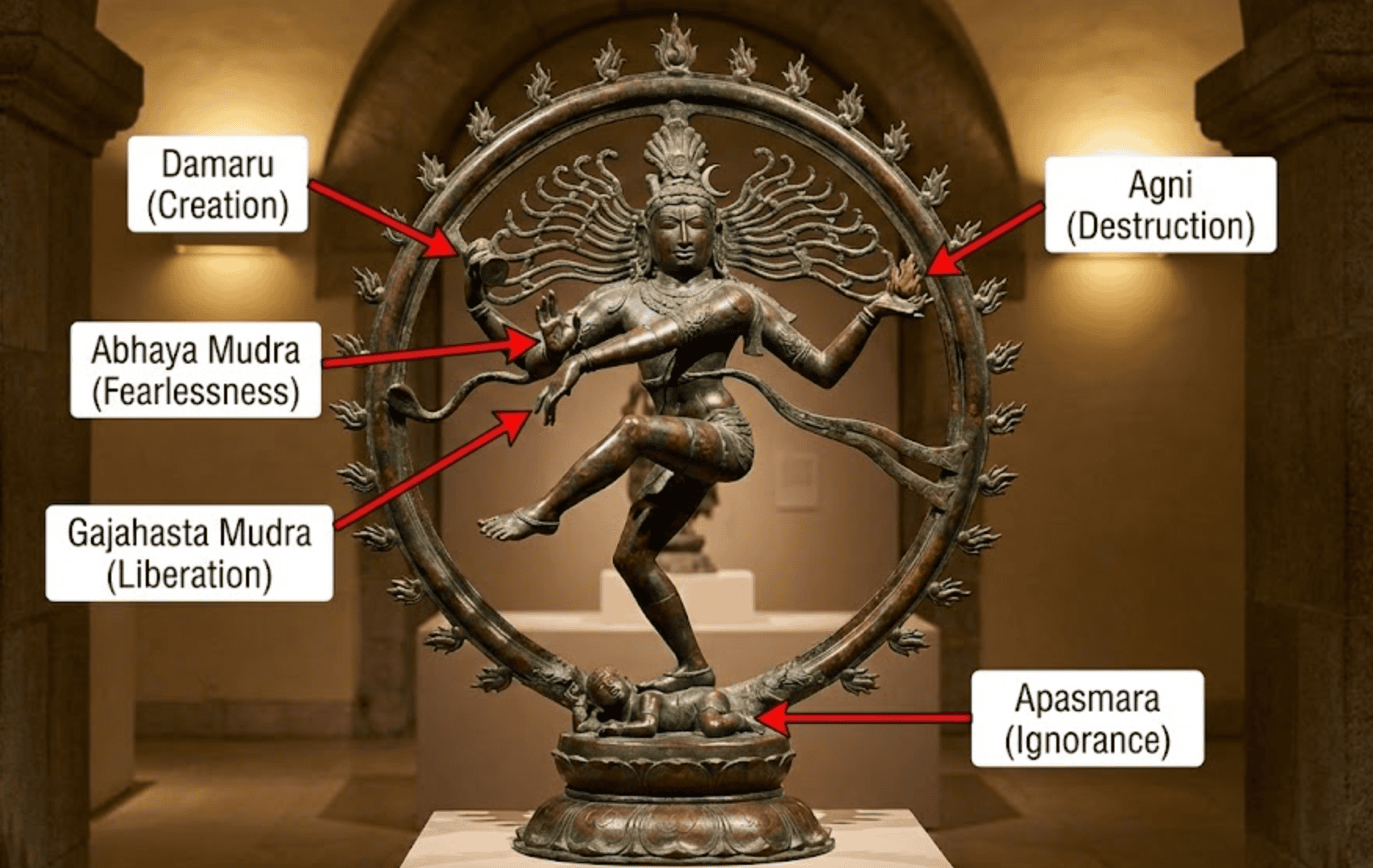
Nataraja
- Somaskanda, featuring Shiva, Uma, and Skanda, originated from the Visvanatha Temple in Tamil Nadu; the NMAA sculpture is missing Skanda.
- Saint Sundarar and Paravai preached Shiva worship in 8th-century South India and were housed at a Shiva Temple in Tamil Nadu.
- Discrepancies in the sculptures' paper trails were found during a systematic review, leading to provenance research.
- The NMAA acquired the bronzes when collection policies were less strict, lacking documentation of legal export from India.
- Collaboration with the French Institute of Pondicherry and the Archaeological Survey of India (ASI) confirmed the illegal removal of the idols.
- The return of the sculptures reflects a commitment to ethical museum practices and transparency in collection management.
- Repatriation efforts can foster international collaboration and cultural exchange opportunities.
Key Concepts Involved:
- Repatriation: The return of cultural artifacts to their country of origin.
- Provenance: The history of ownership of an object.
- Iconography: The visual symbols and images used in a work of art.
Previous21/21

SuperKalam is your personal mentor for UPSC preparation, guiding you at every step of the exam journey.
Download the App


STUDY RESOURCES
CONTACT US
ⓒ Snapstack Technologies Private Limited