GS 2: GovernanceGS 2: International RelationsGS 3: Linkages of Organized Crime with TerrorismGS 3: Security Challenges and Management in Border Areas
How do scam hubs in Southeast Asia operate?, Pg 13.
The article discusses the rise of large-scale cyber scam centres in Southeast Asia, particularly in Myanmar, Cambodia, and Laos. It examines how political instability, human trafficking, and organised crime have converged to create a regional crisis with global implications.
Practice MCQs
804 Students attempted
Key Highlights:
- Over 1,600 Indian nationals have been repatriated from Southeast Asian scam centres since July 2022.
- KK Park, located near the Myanmar–Thailand border, is one of the largest “scam cities,” controlled by a Border Guard Force (BGF) linked to Myanmar’s junta.
- Scam hubs use trafficked workers to conduct online fraud operations, including the “pig butchering” method.
- China’s crackdown in 2023–24 led to over 41,000 arrests and disrupted cross-border scam networks.
- Cambodia’s Huione Group and its platforms like Huione Marketplace have been linked to financial facilitation of scam activities.
- Myanmar’s civil war and the junta’s dependence on militia groups have enabled scam hubs to thrive.
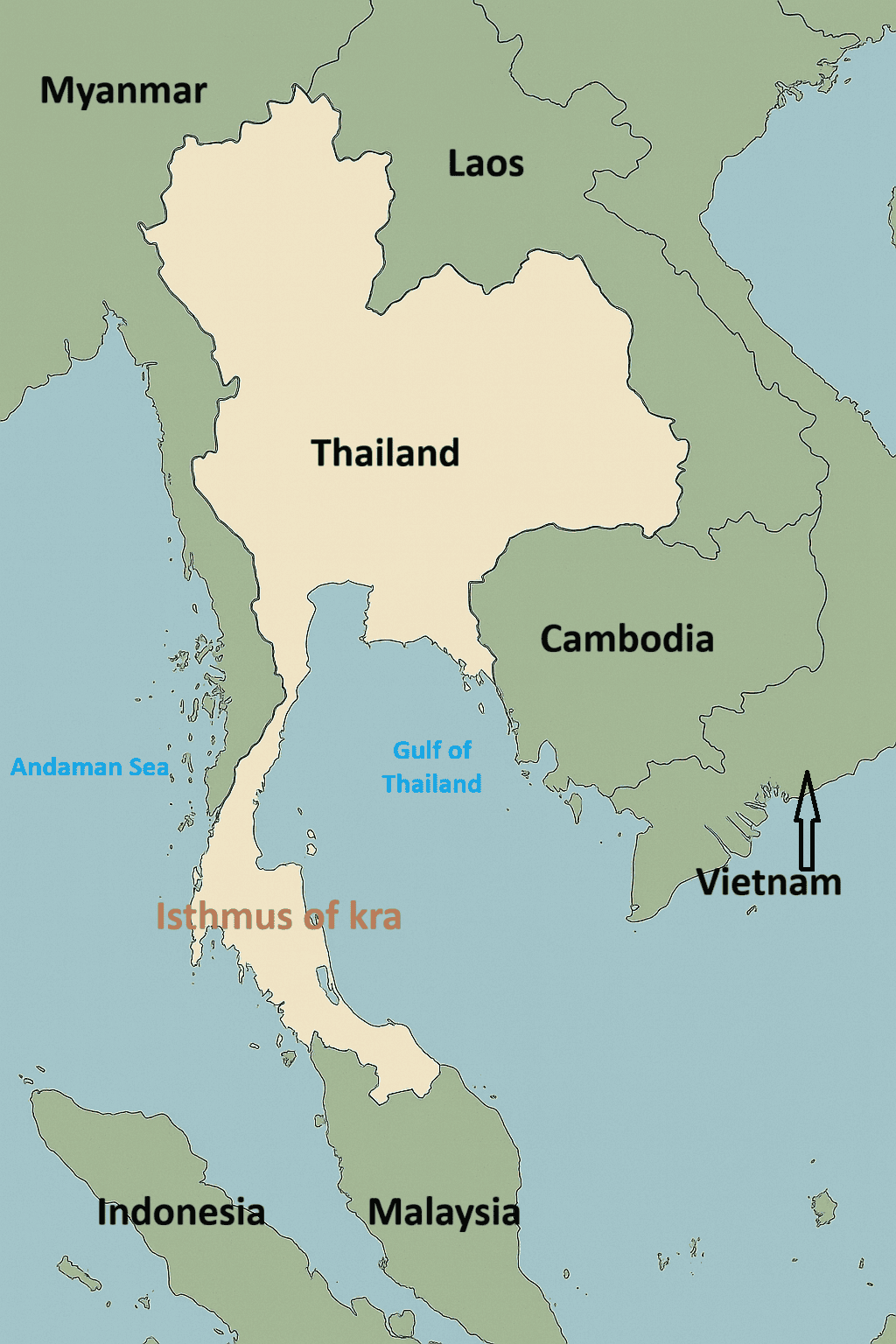
Thailand
Detailed Insights:
- Emergence of scam hubs:
- These centres emerged after the Global Initiative against Transnational Organised Crime (GITOC) identified online “compound crimes” in 2021, where trafficked victims are forced into cyber fraud.
- The ongoing Myanmar civil conflict has allowed militias controlling border regions to convert compounds into scam zones for revenue.
- Business model:
- Victims are tricked into fake investments, cryptocurrency fraud, and romance scams via impersonation or social engineering.
- Workers trafficked from India, China, and other Asian nations are held in poor conditions and forced to scam others under threat.
- Myanmar’s role:
- The BGF’s semi-autonomous zones have become sanctuaries for such operations, as the junta overlooks them in exchange for loyalty.
- Crackdowns often coincide with international pressure or U.S. sanctions against junta-linked individuals.
- China’s dual approach:
- Initially, Chinese citizens were major victims; later, Beijing began large-scale crackdowns (Operation 1027) and repatriations of criminals and victims.
- The operations weakened some hubs but led to migration of scam operations to Cambodia and Laos.
- Cambodia’s complicity:
- Special economic zones in Sihanoukville and Bavet host scam networks aided by corporate fronts like Huione Group.
- These platforms allegedly enable money laundering and cryptocurrency exchange for criminal syndicates.
- India’s challenge:
- Indian victims (workers) are trafficked under false job promises; coordination between MEA, Myanmar, and Thailand remains limited due to diplomatic complexities.
Scientific/Technical Concepts Involved:
- Pig Butchering Scam: A long-term online fraud where scammers build emotional trust with victims before convincing them to invest in fake financial platforms.
- Starlink Internet Connectivity: Used in remote scam hubs to maintain stable communications for illegal cyber operations.
- Cryptocurrency Laundering: Process of moving illicit funds via crypto exchanges to conceal origins and bypass traditional banking scrutiny.

SuperKalam is your personal mentor for UPSC preparation, guiding you at every step of the exam journey.
Download the App


STUDY RESOURCES
CONTACT US
ⓒ Snapstack Technologies Private Limited